

Pond Construction That Holds Water in Texoma
A good pond starts long before an excavator cuts into the ground. Pond construction on a Texoma property has to account for soil, slope, rainfall, drainage, and the amount of water the land can reliably collect. A hole in the ground may look like a pond after the first storm. A properly built pond holds water, protects the dam, and gives you a useful feature for livestock, fishing, recreation, or property drainage.
For acreage owners and ranch operators, the difference matters. Repairing a leaking pond or rebuilding a washed-out dam costs more than getting the layout right before dirt starts moving.
A Pond Is More Than an Excavation Job
The pond basin is only one part of the work. The finished system also needs a watershed that supplies water, a bottom that seals, stable side slopes, a properly compacted dam when one is required, and a safe path for overflow. If any one of those pieces is overlooked, the pond can become a recurring problem instead of a practical improvement.
A stock pond may need dependable water access and safe livestock entry. A fishing pond may need more depth, better bank access, and a water level that stays stable through dry weather. A pond intended to catch runoff may need to work alongside culverts, swales, or drainage grading so it does not create problems uphill or downhill from the site.
The intended use drives the layout. That is why the first question should not be, “How big do you want it?” It should be, “What does this pond need to do for the property?”
Pond Construction Starts With the Site
The best location is not always the lowest spot on the property. Low areas collect water, but they can also receive too much runoff, sit on poor soil, or place a dam where it is difficult to build and maintain. Before excavation begins, the site needs to be read as a working drainage area.
Check the watershed before sizing the pond
A pond needs enough contributing land to fill and maintain its water level, especially through Texas and Oklahoma dry spells. Too little watershed can leave a large pond low for much of the year. Too much concentrated runoff can overwork the spillway and cut erosion channels around the basin.
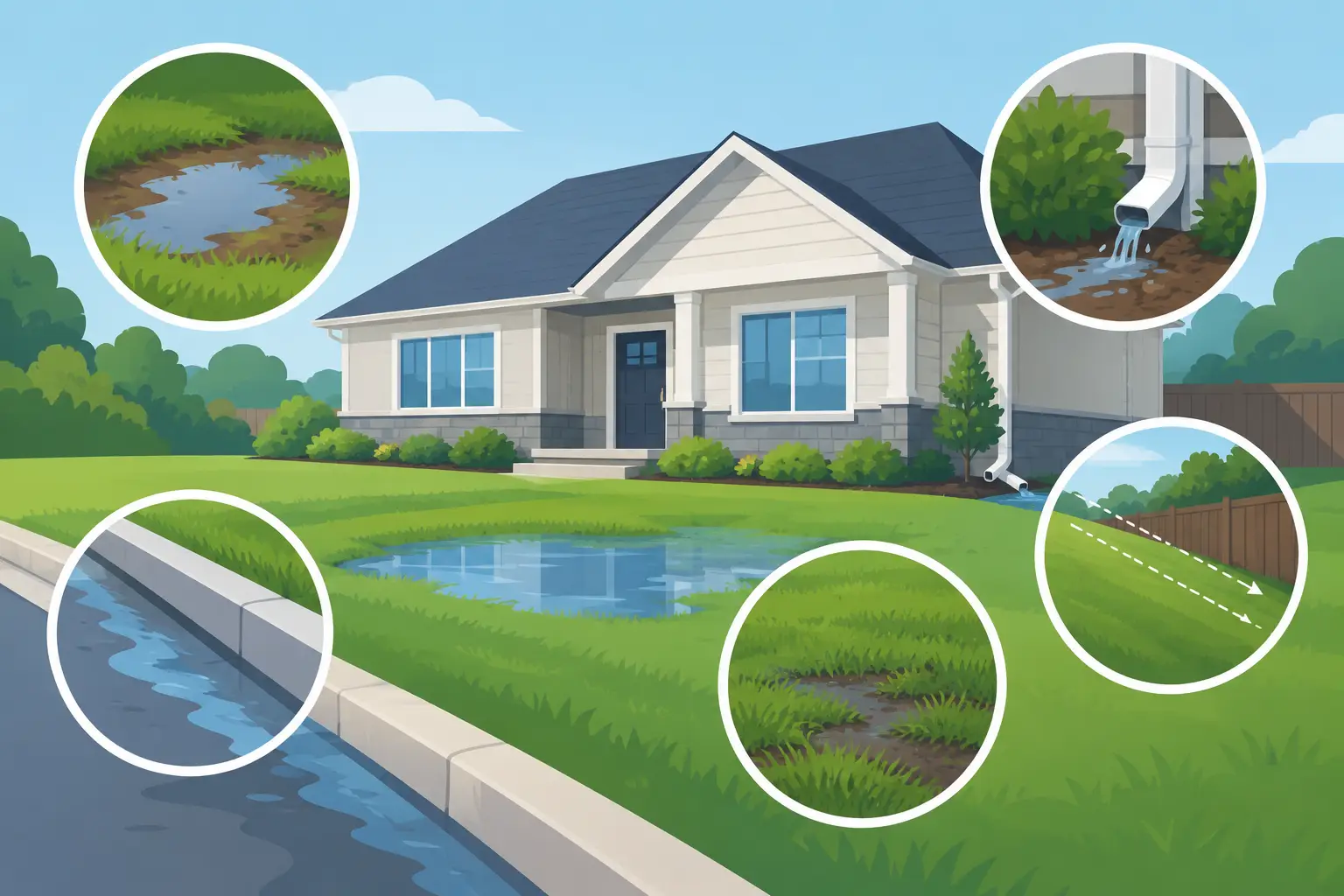
The shape of the land tells part of the story. Existing draws, roadside ditches, terraces, neighboring drainage, and culverts can all send water toward the site. Heavy rain events matter as much as normal rainfall. A pond should be designed for where water goes when the ground is already saturated, not just where it travels during a light shower.
Test the soil where the pond will sit
Clay-rich soil is generally the best material for a pond bottom and dam because it can be compacted into a seal. Sandy soil, fractured rock, gravel seams, and old disturbed fill can allow water to escape. Surface dirt alone does not give the full answer. Conditions can change several feet below grade, especially on rural tracts that have been cut, filled, or previously worked.
When usable clay is available on site, it can be placed in controlled lifts and compacted as the basin and dam are built. If the site lacks good sealing material, the project may need imported clay, a revised location, or a different plan altogether. Digging deeper does not fix a pond that leaks through the bottom.
Build the Basin, Dam, and Spillway as One System
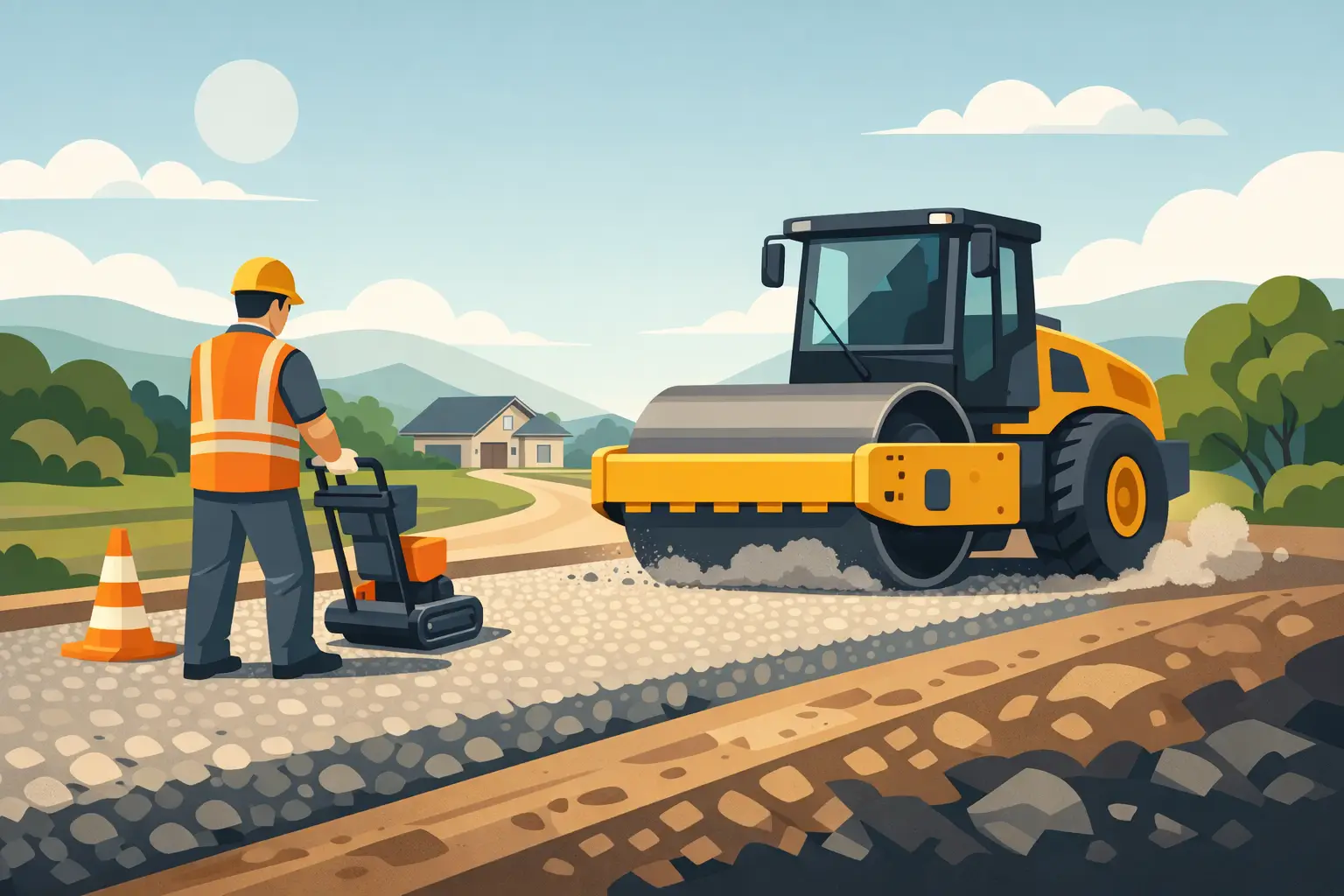
A pond with a dam needs careful earthwork. The dam is not simply a pile of pushed-up dirt. It must be built with suitable material, moisture-conditioned as needed, placed in lifts, and compacted so it resists seepage and settlement.
A key trench, sometimes called a core trench, is commonly cut beneath the dam and filled with compacted clay. This ties the dam into firm native material and creates a barrier against water traveling underneath it. Skipping this step can lead to underseepage, soft areas, or a failure that is difficult to repair once the pond is full.
Side slopes also need to match the site and intended use. Slopes that are too steep can slump, erode, and make access unsafe. Slopes that are too flat take up more land and can create broad shallow areas where vegetation takes over. The right balance depends on soil conditions, available space, livestock access, and whether equipment needs to reach the waterline later.
Depth affects water quality and usability
Shallow ponds warm up quickly and lose water faster in hot weather. They can also support more unwanted aquatic growth. Deeper areas help maintain cooler water and provide a better reserve during dry periods, but depth must be achieved with stable banks and an excavation plan that does not expose poor material below the clay layer.
A varied bottom can be useful for fish habitat, but random holes and abrupt drop-offs are not a substitute for a planned grade. For a livestock pond, gradual access at a controlled location may be needed, while the rest of the bank should be protected from constant hoof traffic and erosion.
The spillway is not optional
Every pond needs a controlled route for excess water. The primary spillway or overflow structure handles normal high-water conditions, while an emergency spillway provides a wider, protected path for major rain events. Water must leave without cutting the dam or washing a deep channel down the backside.
This is where local experience matters. Texoma storms can put a large amount of water on a property in a short time. A spillway that looks oversized in dry weather can be what keeps a pond intact during a hard rain. Its elevation, width, grade, and discharge location all need to work with the surrounding land.
Plan the Work Before Equipment Arrives
The most efficient pond jobs have a clear dirt plan. Topsoil is stripped and stockpiled before excavation so it can be used later for finish grading and grass establishment. Suitable clay is identified and saved for lining the basin or constructing the dam. Unsuitable material is placed where it can be used for grading, fill, or other planned improvements rather than becoming a pile in the way.
Excavators handle digging, shaping, and moving material within the basin. Dozers are effective for spreading, building, and trimming the dam. Skid steers can help with cleanup, finish work, and tight-access areas. The equipment matters, but the sequence matters just as much. Moving dirt twice because the material was placed in the wrong location costs time and money.
Access should be addressed at the same time. If the project calls for a gravel driveway, ranch road, culvert crossing, or equipment pad, it is often more practical to coordinate that work with the pond build. Triple R Dirt Works can handle the excavation, grading, culvert work, and material delivery needed to keep those site improvements moving together.
Protect the Finished Pond From Erosion
Fresh dirt is vulnerable dirt. Once final grading is complete, exposed banks, dam slopes, and spillway areas need to be stabilized. Topsoil, seed, mulch, erosion-control methods, and proper drainage shaping all help establish cover before the next heavy rain.
Keep concentrated runoff off the dam face whenever possible. A small rill can turn into a washout if water repeatedly crosses bare soil. Likewise, avoid driving vehicles across the dam unless it was specifically built and maintained for that use. Repeated traffic can rut the surface, damage grass cover, and direct water into places it should not go.
After construction, inspect the pond after major storms. Look for new erosion, soft spots on the dam, cloudy water from bank failure, settlement near structures, or water flowing where it was not intended. Early maintenance is usually straightforward. Waiting until a small issue becomes a breach is not.
Permits, Utilities, and Property Conditions
Before work begins, check for buried utilities, easements, pipeline corridors, and access restrictions. Pond work near a road, creek, floodplain, shared drainage route, or regulated water feature may require additional review. Requirements can vary by county, state, watershed, and project scope.
Property boundaries matter as well. A pond should not redirect runoff onto a neighbor or block an established drainage route without a sound plan. On larger rural properties, it is also worth considering fencing, livestock movement, and how a full pond will affect access to other parts of the tract.
The right pond does not have to be the largest one the site can hold. It needs to fit the land, serve its purpose, and be built so the water has a controlled place to collect, stay, and leave.