
How to Compact Road Base for a Lasting Drive
A gravel driveway can look finished the day the rock is spread and still turn soft, rut, or wash out after the first hard rain. The difference is usually below the surface. To compact road base correctly, the material needs a prepared subgrade, controlled moisture, proper layer thickness, and the right equipment for the job.
Road base is not simply gravel dumped onto dirt. It is a graded aggregate blend, often crushed limestone or similar material, with fines that fill the gaps between larger rock. When it is placed and compacted correctly, those particles lock together into a firm working surface for driveways, private roads, parking areas, building access, and foundation-pad approaches.
What Road Base Does on a Property
Road base creates a load-bearing layer between the native soil and the finished driving surface. On a rural driveway, it helps keep tires from pressing rock into soft ground. On a construction entrance, it gives concrete trucks, material deliveries, and equipment a more dependable route. Around a shop, barn, or commercial building, it can provide a stable base for gravel parking and traffic areas.
The material works because of its mix of rock sizes. Larger stone carries weight, while smaller aggregate and fines pack into the open spaces. A clean rock product with little to no fines may drain well, but it does not typically compact into the same tight layer as road base. Both materials have a place, but they do different jobs.
In Texoma, the existing ground matters just as much as the rock. Some properties have firm native soil. Others have clay that holds water, sandy areas that shift, or low spots that stay wet after a storm. A road base section that performs well on one tract may need thicker material, drainage work, or subgrade correction on another.
How to Compact Road Base the Right Way
Compaction begins before the first load of material arrives. If the underlying dirt is loose, wet, heavily rutted, or full of organics, packing rock on top will not fix the problem. The base will only be as dependable as the ground supporting it.
Start With a Shaped, Firm Subgrade
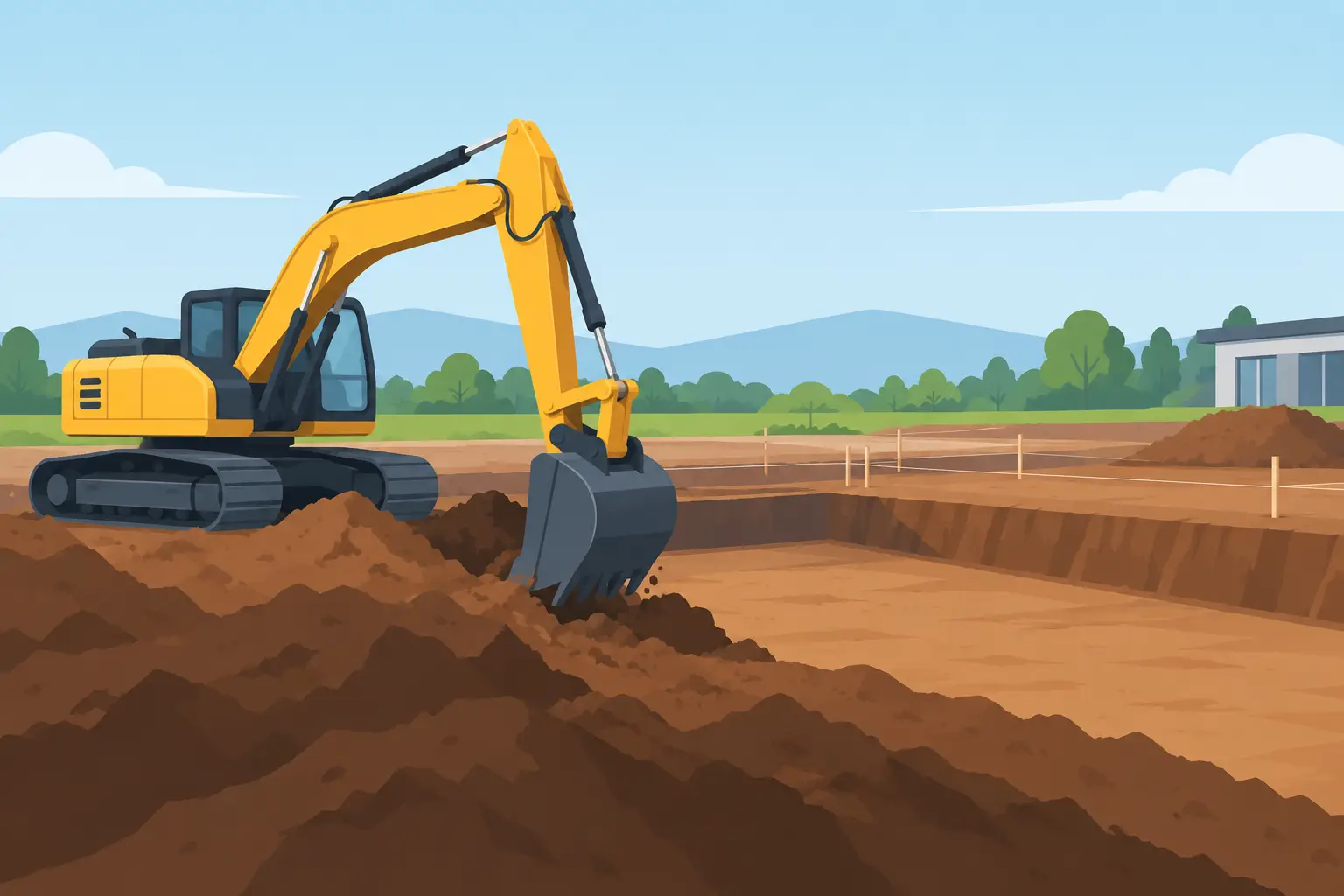
The driveway or road area should be stripped and graded to the intended elevation before road base is placed. Soft spots need to be excavated or improved rather than buried under a thin layer of aggregate. Depending on the site, that may mean bringing in select fill, drying and reworking damp soil, or cutting out unstable material.
The subgrade also needs a planned slope. Water should leave the driving surface instead of sitting in the wheel paths. A crowned road sheds water toward both sides. In other locations, a one-way slope may be the practical choice. The right approach depends on the terrain, nearby structures, ditches, and where runoff can safely go.
Drainage is not an add-on. If water stays trapped beneath the road base, traffic will pump moisture into the soil and create soft areas. Culverts, roadside ditches, swales, and properly graded outlets often matter as much as the thickness of the aggregate.
Place the Material in Manageable Lifts
Road base should be spread in layers, commonly called lifts, rather than placed too deep and packed only from the top. For many driveway and access-road jobs, a 3- to 4-inch loose lift is manageable with the proper compaction equipment. Deeper sections may be needed overall, but they should be built in multiple lifts.
A single 8-inch layer might look packed on the surface while the lower portion remains loose. Over time, traffic finds those weak areas. The top crust breaks, the base shifts, and ruts begin to show up where vehicles travel most often.
The final depth depends on the traffic and subgrade. A light residential driveway over firm ground may need less base than a ranch entrance used by loaded trailers, feed trucks, and regular equipment. A commercial access road, parking area, or soft-clay site may require a thicker section and more extensive preparation. There is no useful one-depth answer for every property.
Control Moisture Before Rolling
Road base typically compacts best when it is damp, not soaked and not dusty dry. A little water helps fines move into the voids between aggregate and bind the layer together under compaction. Too much water can turn the fines into slurry, especially over clay soils, and can weaken the subgrade below.
If a load of material is dry and dusty, a controlled water application may be needed before rolling. If the material is wet enough to stick to tires, pump under equipment, or smear instead of firming up, it may need time to dry or be reworked. This is one reason weather can affect the schedule and quality of road work.
Use Equipment That Matches the Area
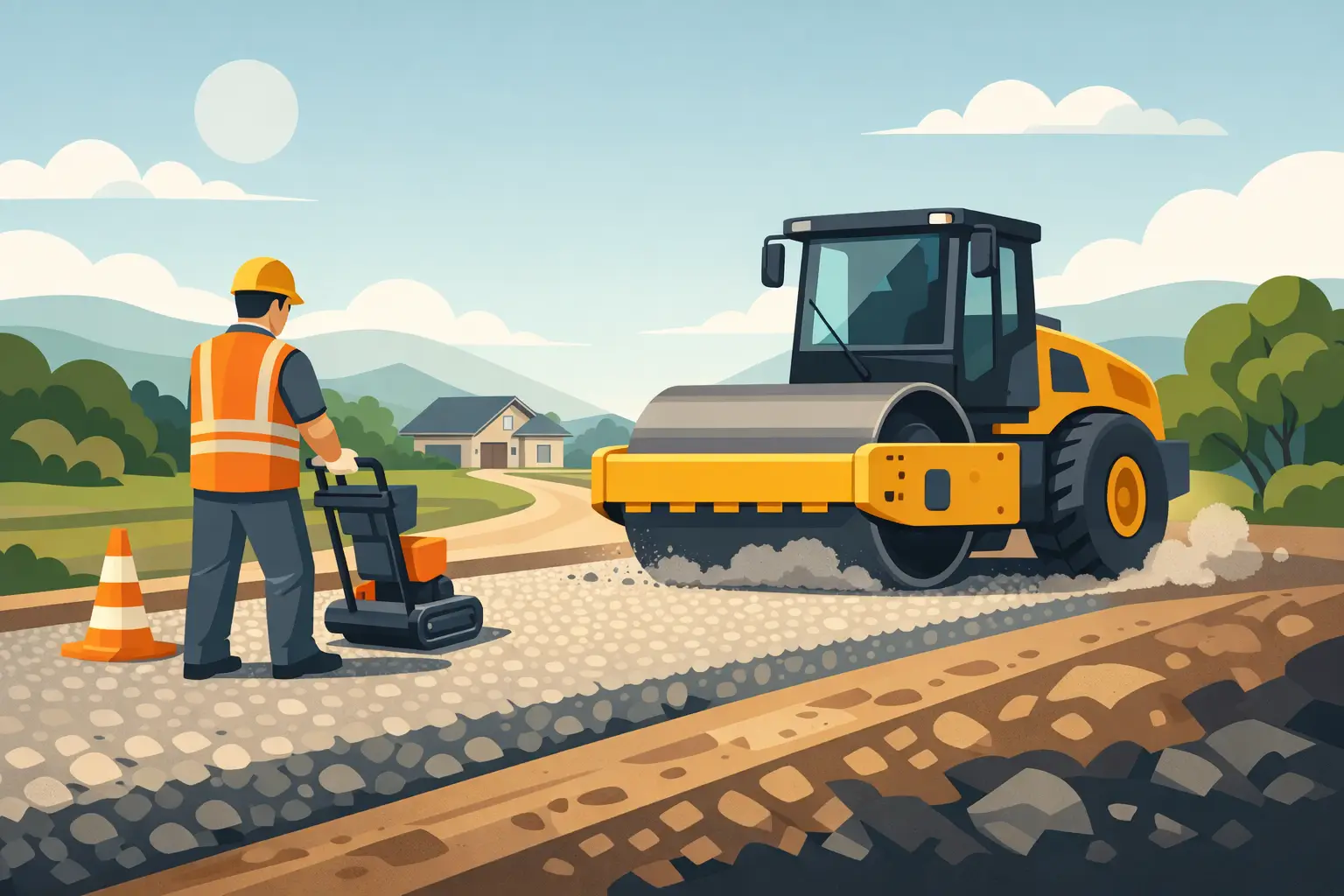
A plate compactor can work for narrow repairs, small walkways, and tight areas where larger equipment cannot reach. It is not the most efficient tool for a long driveway or road-building project. A vibratory roller is generally the better choice for compacting broad areas of aggregate road base.
A skid steer can spread and fine-grade material, while a dozer can shape longer runs and establish the intended crown or slope. Excavators may be needed to address drainage, install culverts, or remove failed subgrade. The equipment matters because every phase affects the next one: poor grading leads to poor drainage, and poor drainage leads to base failure.
Rolling should cover the entire surface with overlapping passes. Edges deserve attention, especially where vehicles may drift off the main travel path. A compacted center with loose shoulders can unravel over time, letting the road base spread outward and leaving the drive narrower and weaker.
Common Reasons Road Base Fails
Most failed gravel drives are not caused by bad rock alone. They usually come back to water, weak subgrade, insufficient depth, or material placed without real compaction.
A driveway that develops potholes may have low spots holding water. Washboarding often points to loose surface material, traffic patterns, or a lack of proper binding fines. Deep ruts can mean the base is too thin for the load, the native soil is failing underneath, or drainage is allowing water to stay in the section. Adding another thin layer of gravel over the top may improve appearance for a while, but it will not correct a drainage or subgrade issue.
The same applies to road base placed directly over grass, topsoil, or loose organic material. Vegetation and organic soil decompose and shift. The aggregate settles unevenly, and the finished surface follows it. Stripping unsuitable material first is slower than spreading rock immediately, but it avoids paying twice for the same driveway.
Choosing the Right Road Base for the Job
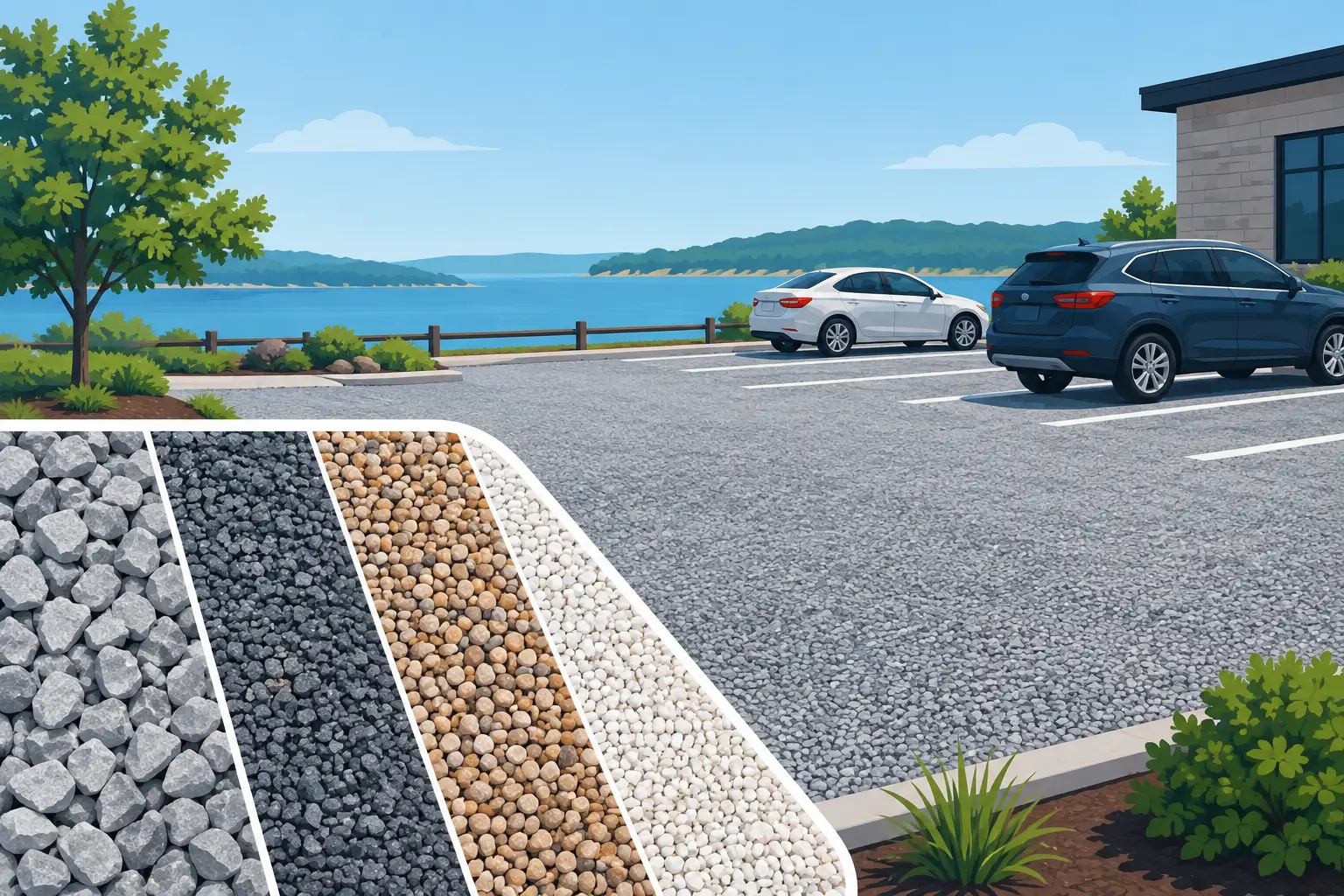
Crushed limestone road base is a common choice for Texoma drives, pads, and access routes because it can compact tightly and is readily used for construction work. Limestone screenings may serve a different role in fine grading or finish applications, depending on the project. Clean rock is often useful for drainage or decorative coverage, but it may need a compactable base beneath it.
Material selection should account for the intended use. A driveway for passenger vehicles is different from an equipment yard. A ranch road crossing low ground needs a different plan than a short, high residential approach. If trucks will make frequent deliveries, the entrance and turning areas often need more attention than the rest of the drive because that is where the highest loads occur.
Triple R Dirt Works can handle the work from subgrade preparation and drainage correction through road-base delivery, spreading, and compaction. That keeps the material choice and the earthwork plan tied to the actual conditions on site, not just the number of tons ordered.
When a Road Needs More Than Compaction
Compaction is a key part of a durable base, but it cannot overcome a site with nowhere for water to go. If the road crosses a drainage path, a properly sized culvert may be necessary. If runoff is cutting across the surface, the grade may need to be reshaped. If heavy trucks are using a soft location, additional base depth or select fill may be the practical answer.
Good road work is visible after the job is done: water moves where it should, the surface stays firm under traffic, and the drive remains usable when conditions turn wet. Build the base with those outcomes in mind, and the finished road has a much better chance of holding up season after season.