

Choosing a Commercial Site Preparation Contractor
A commercial project can look ready from the road and still be nowhere close to ready to build. Soft subgrade, standing water, poor access, unsuitable fill, and an uneven building area all show up later as delays, extra hauling, failed inspections, or costly rework. A qualified commercial site preparation contractor handles the work below the finished building, parking area, or yard so the rest of the project starts on solid ground.
For builders, developers, and property owners across Texoma, site preparation is not one task. It is a sequence of dirt work, grading, drainage, access, material handling, and compaction decisions that need to work together. The right contractor brings the equipment and material access to keep those parts moving without turning the job into a chain of separate vendors.
What Commercial Site Preparation Actually Covers
Commercial site preparation is the field work that turns raw ground, an undeveloped tract, or an existing rough site into a usable construction area. The exact scope depends on the plans, soil conditions, drainage requirements, and intended use of the property. A small shop building, an equipment yard, a rural business site, and a larger development do not require the same amount of excavation or imported material.
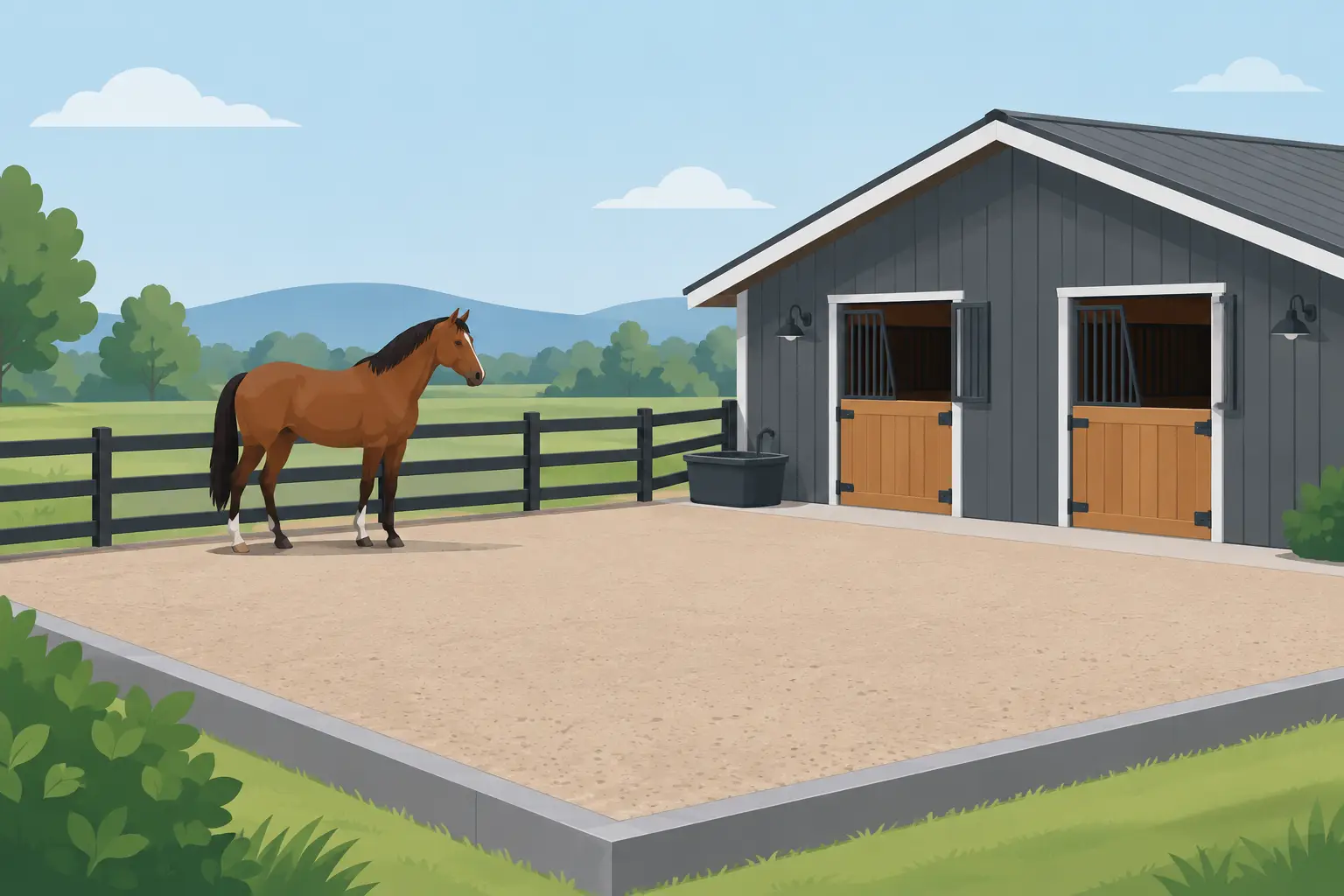
Most jobs begin with clearing or stripping unsuitable surface material where needed. From there, the contractor cuts high areas, fills low areas, shapes the site to planned elevations, and prepares the subgrade for the next construction phase. If a building is going in, that may include a foundation pad built to the required size and elevation. If vehicles will use the property, it may include an all-weather construction entrance, road base, parking areas, and proper drainage crossings.
The goal is straightforward: create a stable, accessible, properly draining site that supports what comes next. Dirt moved without a plan can create a new low spot, trap runoff against a pad, or leave weak material under a drive. Good site work addresses those issues before concrete, steel, utilities, and finished surfaces make corrections more expensive.
Site Access Is Part of the Job
Access is often the first practical issue on a commercial build. Concrete trucks, delivery trailers, utility crews, and construction equipment need a route that holds up under traffic and weather. A temporary entrance may be enough for one project, while another needs a permanent gravel road built with a shaped subgrade, road base, and drainage control.
The correct road section depends on traffic, soil, slope, and how long the road will serve the property. A light-duty access road built for occasional pickups is different from a route carrying loaded dump trucks and equipment trailers. Skipping preparation beneath the gravel is one of the fastest ways to end up with ruts, potholes, and repeated material costs.
Drainage Cannot Be Added as an Afterthought
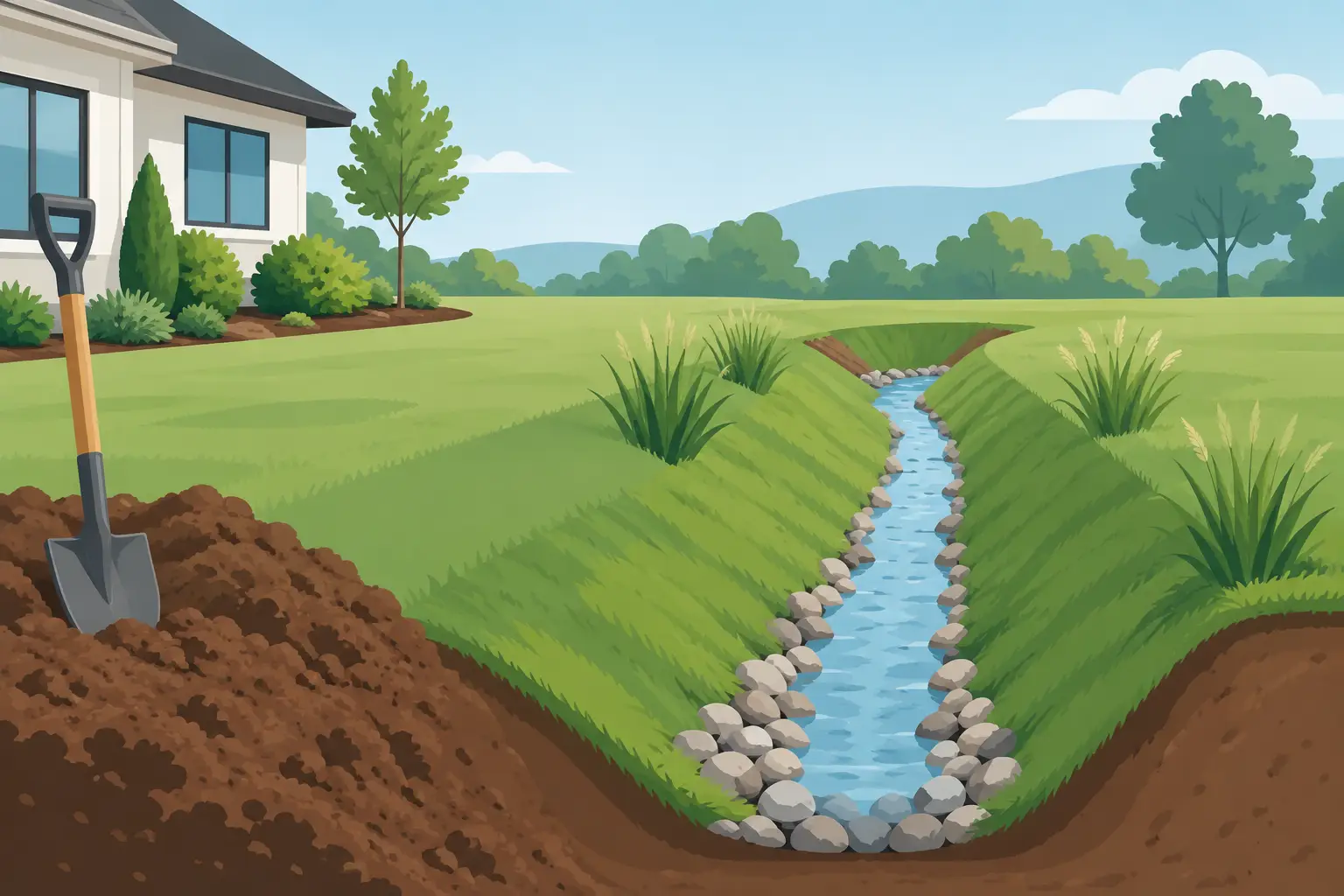
Water is a major factor in Texoma dirt work. A site may need positive drainage away from a building pad, swales to direct runoff, ditches, culverts, or reshaped grades at drive entrances. In some cases, a drainage correction can be handled with careful grading. In others, the property needs a properly sized culvert, more elevation at the pad, or a revised flow path that does not send water across a traffic area.
A contractor should look beyond the immediate work zone. Water from adjacent ground, nearby roads, roof runoff, and upstream drainage can all affect the finished site. A pad that looks level may still fail the job if it is set too low or if surrounding grades feed water toward it.
How to Choose a Commercial Site Preparation Contractor
The lowest estimate is not always the lowest project cost. Commercial site work has too many variables for a simple price comparison to tell the full story. The better question is whether the contractor understands the intended use of the property and can explain how the work will get there.
Start with capability. The contractor should have equipment suited to the job, whether that means dozers for broad grading, excavators for cuts and drainage structures, skid steers for detail work, or hauling capacity for base material and select fill. Equipment alone does not guarantee quality, but it affects production, accuracy, and the ability to adapt when site conditions change.
Ask how the contractor plans to handle subgrade, elevation, and drainage. A reliable answer should be specific to the property. It may include stripping topsoil, bringing in select fill, building up a pad, cutting a drainage swale, installing culverts, or placing road base in lifts. Be cautious with vague promises to “level it out” when the project needs a stable building area or heavy-traffic access.
Material supply matters as well. Commercial work commonly requires road base, clean rock, limestone screenings, decomposed granite, sandy-loam topsoil, or select fill. A contractor that can coordinate hauling and material delivery can reduce scheduling gaps between excavation, grading, and final surface work. That does not mean every material is right for every application. The proper choice depends on whether the job needs structural fill, a compacted drive base, a finish surface, or topsoil for final grading.
Questions Worth Asking Before Work Starts
A good pre-job conversation saves time once equipment is on the ground. Discuss the finished use of the site, planned building location, traffic type, utility routes, known wet areas, and where excess material can go. If you have civil plans, elevations, or drainage requirements, provide them early. If the project does not have formal plans, the contractor still needs a clear understanding of the building footprint, access route, and desired finished result.
It also helps to ask what is included in the scope. Does the price include hauling, material, compaction, culverts, rough grading, final grading, or only excavation? Is unsuitable material expected to stay on site, be stockpiled, or be hauled away? These details affect cost and prevent assumptions from becoming change orders.
The Work That Protects the Rest of the Project
A properly built foundation pad is more than a flat piece of ground. It must be located correctly, brought to the necessary elevation, and constructed on suitable material. Depending on the site, that can require cut and fill work, imported select fill, moisture conditioning, and compaction. The final dimensions should allow room for forming, equipment access, and the construction process that follows.
Subgrade preparation is just as important beneath gravel parking lots and work yards. Weak or wet soil below the aggregate can move under traffic, pushing gravel into the ground and leaving an uneven surface. In some situations, additional base, stabilization methods, or drainage improvements may be warranted. The right solution depends on the soil and load requirements, not just how much gravel looks good on top.
A commercial site preparation contractor should also account for practical site details that are easy to overlook early on. These include tie-ins at county roads, culvert elevations, turning space for deliveries, drainage at gate entries, and stockpile locations that do not interfere with construction. On rural commercial properties, cattle guards, fence openings, and all-weather access may be part of the larger site plan as well.
Why One Contractor for Dirt Work and Materials Helps
Using separate crews for excavation, grading, and aggregate delivery can work, especially on large projects with tightly managed schedules. But it can also leave a job waiting when the subgrade is ready and the base material is not, or when a change in grade requires more fill than expected.
A combined dirt-work and materials provider can coordinate the sequence from rough cut through finished gravel. Triple R Dirt Works provides excavation, grading, foundation pads, access roads, culverts, drainage work, and bulk material delivery, making it easier to keep the work connected on commercial and rural construction sites.
That convenience should not replace clear scope and communication. The owner, builder, and contractor still need agreement on elevations, materials, access, and finish expectations. What it does provide is fewer handoffs and a more direct path from raw ground to a site that is ready for the next crew.
Prepare for Conditions, Not Just the Plan
Plans are necessary, but ground conditions can change the work. Rain can expose drainage problems. Excavation can uncover soft soil or unsuitable material. A planned fill area may need more preparation than expected before it will hold compaction. A capable contractor identifies those conditions early, explains the practical options, and helps keep the project moving without pretending every site behaves the same.
The best time to solve a site problem is while the dirt is still accessible. Before a slab is poured, before a parking lot is placed, and before heavy traffic starts using the property, make sure the pad is stable, the access is built for the load, and water has somewhere to go. That groundwork is what gives the rest of a commercial project a fair chance to last.