

Gravel Driveway Installation Cost in Texoma
A gravel driveway can look simple from the gate: spread rock, smooth it out, and drive on it. The jobs that hold up through Texoma rain, summer heat, loaded trailers, and daily traffic are built from the ground up. That is why gravel driveway installation cost is tied to more than the price of a load of rock.
A short, level drive with firm native soil may need little more than shaping, road base, and a finish layer. A long rural entrance with soft spots, drainage crossings, steep grades, or truck traffic may need excavation, select fill, a thicker base, culverts, and compaction. Both are gravel driveways, but they are not the same scope of work.
What a Gravel Driveway Installation Cost Includes
Most driveway estimates combine material, hauling, equipment time, and site preparation. The final number comes down to how much work is needed before the first rock is placed and how much stone is required to build a stable driving surface.
For a basic resurfacing job, the work may include bringing in fresh gravel, filling potholes, re-establishing the crown, and grading the surface so water sheds to the sides. This is often the most affordable option when the existing base is still sound.
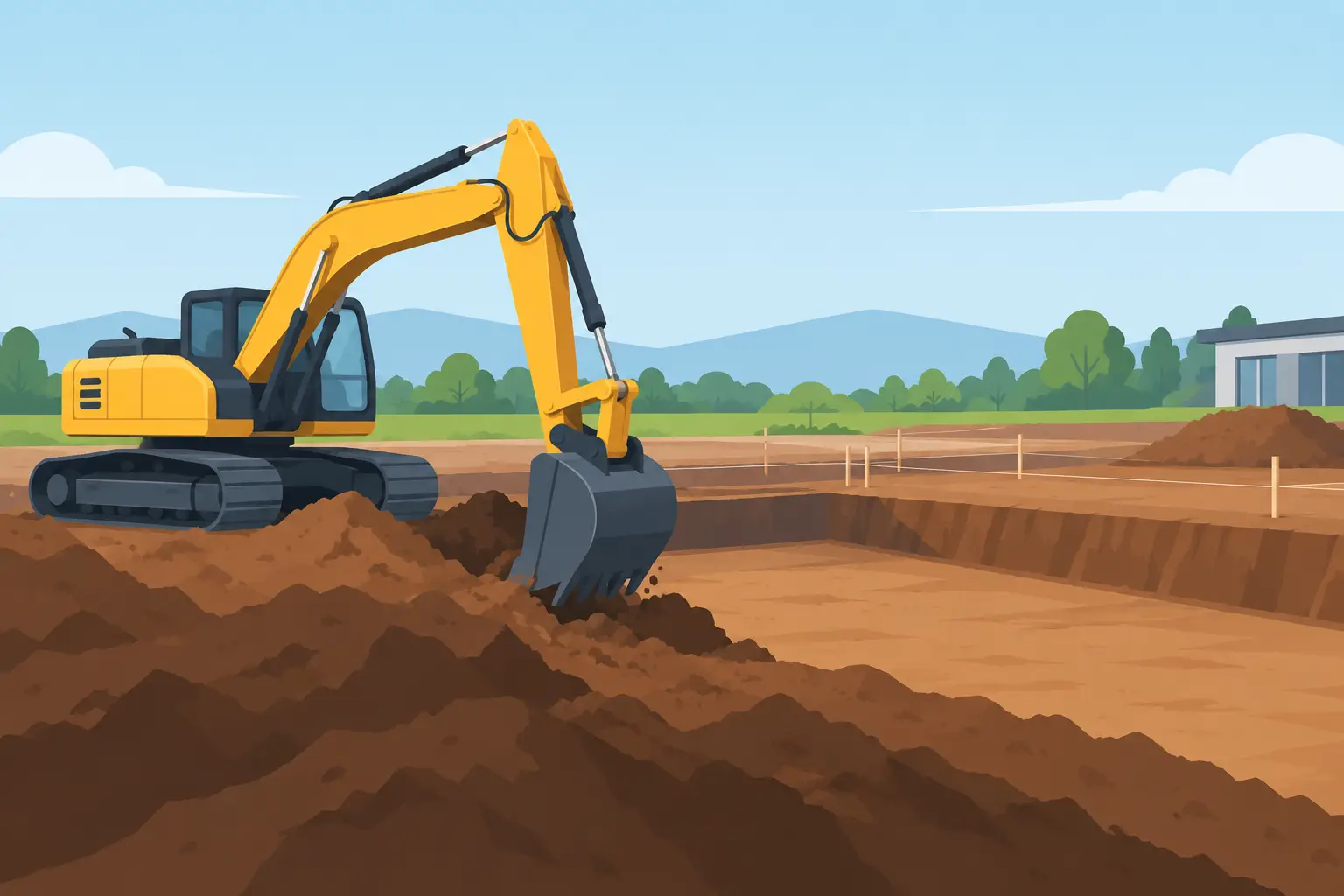
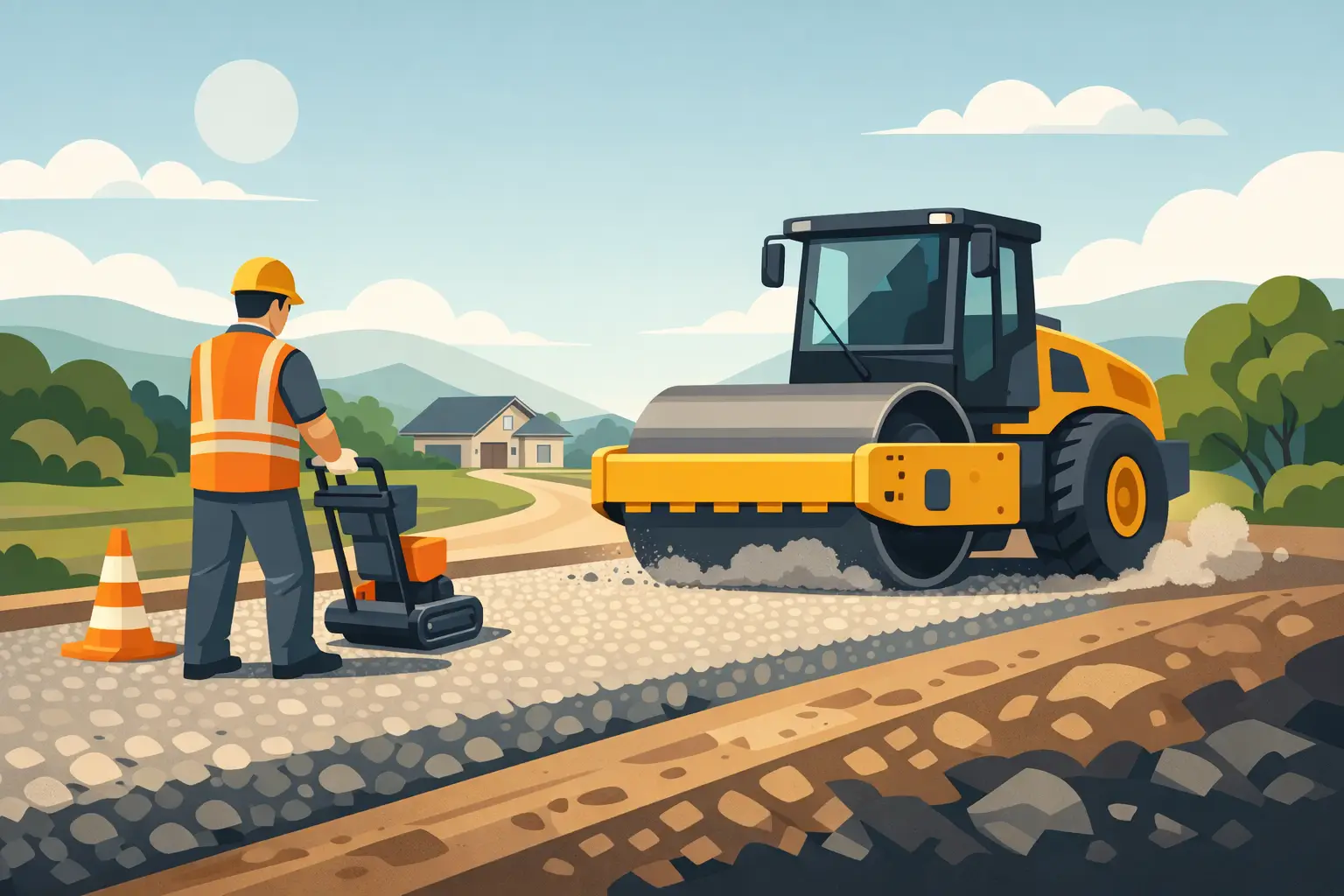
New construction costs more because the driveway needs a foundation. The contractor may strip topsoil or organic material, shape the subgrade, correct low areas, install road base, compact in lifts, and place a top layer of clean rock or crushed limestone. If the driveway crosses a ditch, a culvert installation is part of the access work, not an optional add-on.
A rough planning range for a new gravel driveway is often about $4 to $10 or more per square foot. A simple refresh can fall below that range, while a long drive requiring substantial excavation, drainage work, stabilization, or heavy-duty road construction can exceed it. Square-foot pricing is useful for early budgeting, but it cannot replace a site visit and measured material quantities.
The Biggest Cost Factors on a Gravel Driveway
Driveway length, width, and rock depth
Size affects cost quickly. A 12-foot-wide driveway may work for a simple residential entrance, while a 16- to 20-foot width can make more sense for two-way traffic, delivery trucks, trailers, or ranch equipment. Wider turnouts, parking pads, gates, and turnaround areas add square footage and material volume.
Depth matters just as much as width. A thin layer of decorative rock over soft soil will disappear into the ground and rut under traffic. A properly built drive commonly uses a compacted road-base layer with a finish course on top. The needed depth depends on soil conditions, drainage, and the vehicles using it. A daily commuter vehicle requires less structural support than concrete trucks, dump trucks, horse trailers, feed deliveries, or oilfield-type traffic.
Rock is generally sold by the ton, so the amount needed must be calculated from the driveway area and planned depth. A contractor also accounts for compaction and the fact that loose aggregate settles after it is worked into place. Ordering enough material for the job is cheaper than stopping halfway through a build because the base is too thin.
Existing ground conditions
Good ground saves money. Poor ground does not necessarily stop a project, but it changes the build. Clay soils can hold water and become soft after rain. Low ground may require fill and grading before a base can be placed. Areas with topsoil, roots, ponded water, or old failed gravel may need excavation to reach a workable subgrade.
In some cases, geotextile fabric is a smart investment. Installed between weak soil and the aggregate base, it helps separate the rock from the subgrade and reduces the tendency for stone to work down into soft ground. It is not needed on every driveway, but it can prevent repeat repairs where the soil will not support the base on its own.
Grading and drainage
Water is one of the main reasons gravel driveways fail. If runoff runs down the center of the driveway, it carries fines away, cuts ruts, and leaves potholes. If a drive sits lower than the surrounding ground, water has nowhere to go. Adding more gravel without correcting either problem usually creates a temporary fix.
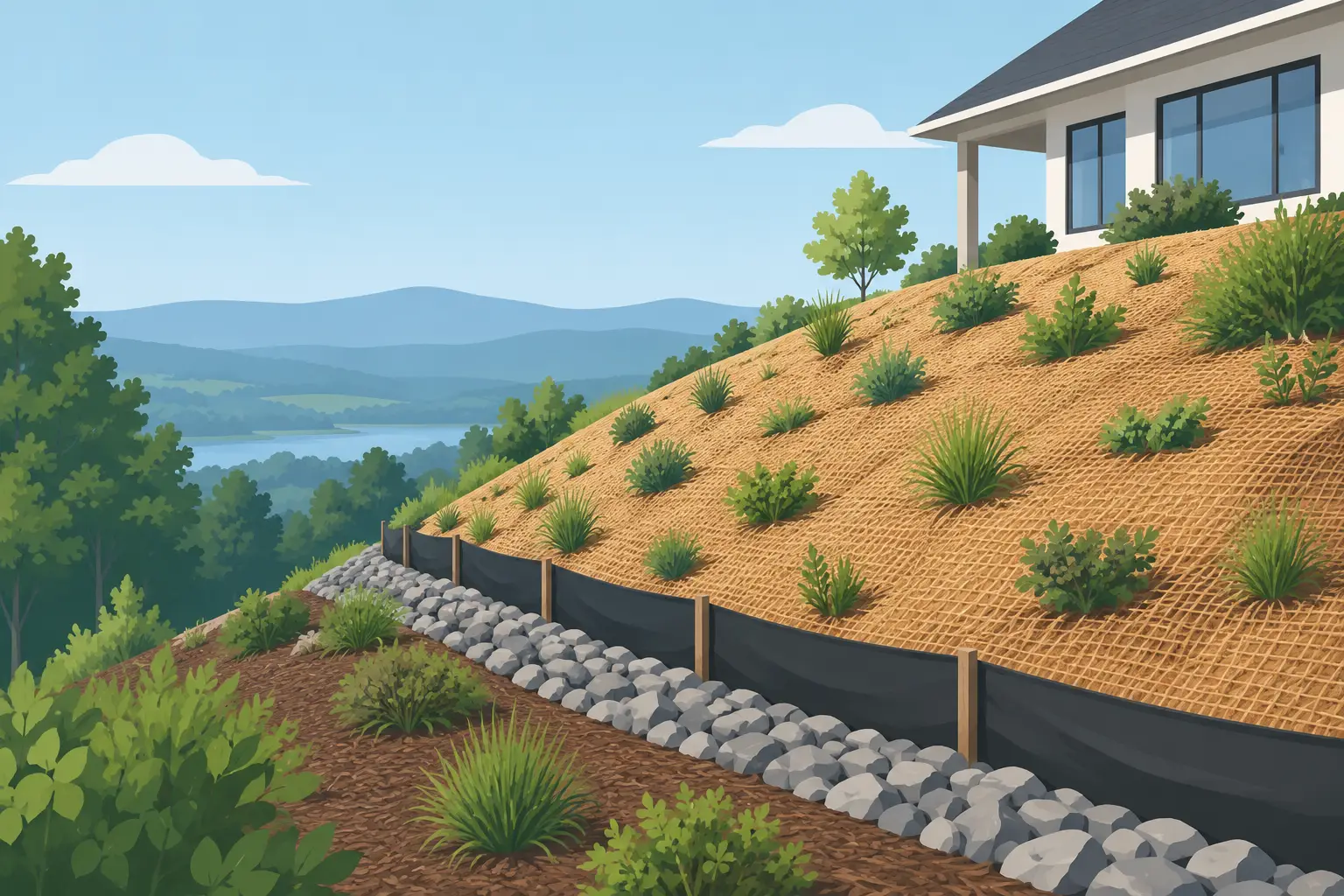
A well-built gravel drive is typically crowned or sloped so water moves off the travel lanes. Side ditches, swales, turnouts, and culverts may be needed to carry runoff safely across or away from the entrance. Drainage correction can add to the initial cost, but it protects the base material that would otherwise be washed out.
Culvert pricing depends on pipe diameter, length, cover requirements, ditch depth, soil conditions, and whether the entrance needs to handle heavy vehicles. A small residential driveway crossing is different from an access road built for loaded trucks. The pipe must be sized for the drainage it receives, not simply chosen because it is the least expensive option.
Material selection and haul distance
Not all gravel performs the same job. Road base contains fines that bind together when watered and compacted, making it a solid choice for the structural layer. Clean rock drains well and provides a finished appearance, but it does not lock together like base material. Limestone screenings, decomposed granite, crushed concrete, and other aggregate products each have a place depending on the driveway’s use and the property owner’s preference.
Material cost also includes hauling. Long driveways can require multiple truckloads, and properties farther from the pit or supplier may carry higher freight costs. Tight gates, narrow roads, low power lines, soft entrances, and limited room to turn a truck can affect delivery planning as well. A local contractor with both equipment capability and material delivery can coordinate those moving parts before trucks start arriving.
Access and equipment requirements
The equipment needed for the job affects the cost because it affects production and finish quality. A skid steer may be suitable for smaller parking areas and touch-up work. A dozer, excavator, motor grader, or roller may be needed for longer drives, extensive cuts and fills, drainage structures, or subgrade correction.
Access matters before equipment ever reaches the work area. A property with an open entrance and room for trucks is easier to build than one with a narrow gate, wet pasture crossing, existing utilities, or landscaping that cannot be disturbed. Clear access keeps a project moving and helps avoid unnecessary handling of material.
How to Budget Without Cutting the Base Short
When comparing quotes, make sure each contractor is pricing the same driveway. One estimate may cover a light top-dress of gravel. Another may include excavation, grading, compacted road base, finish rock, ditches, and a culvert. The lower price is not automatically the better value if it leaves out the work needed to keep the drive usable.
Ask for the planned width, approximate length, material type, estimated tons, and installed depth. Confirm whether the price includes shaping the subgrade, compaction, delivery, and drainage work. For an existing driveway, ask whether weak areas will be repaired before new rock goes down. These details show what is actually being built.
It also helps to be honest about traffic. A driveway used by passenger vehicles has different needs than one serving a shop, barn, construction site, or working ranch. If heavy deliveries are expected later, build the entrance and main travel lane for them now. Rebuilding a failed section after the fact is usually more expensive than putting adequate base in during the original installation.
When a Gravel Driveway Needs More Than Fresh Rock
Fresh gravel is the right answer when the surface is worn but the foundation is stable. It is not the right answer when potholes return after every rain, the driveway stays wet, tires sink at the edges, or water crosses the road in the wrong place. Those signs point to a base or drainage issue.
A contractor should look at the full route from the public road or gate to the house, barn, pad, or parking area. The lowest spot may need a culvert. A steep section may need better shaping and a material that compacts tightly. A soft section may need excavation, fabric, and additional road base. Fixing the cause is what turns a gravel drive from a recurring headache into dependable access.
For property owners planning a new build, barn, shop, or rural entrance, driveway work is best handled early. It gives material trucks and equipment a stable route to the job, and it prevents finished improvements from being torn up later. Triple R Dirt Works can evaluate the ground, drainage, access, and material needs together so the driveway is built for the work it will actually carry.
A good gravel driveway does not need to be fancy. It needs a solid subgrade, the right aggregate, a place for water to go, and enough depth to handle real traffic. Put the budget into those basics first, and the finished drive will keep earning its place every time the weather turns or a loaded truck comes through.