

Dozer Work for Land Leveling on Texoma Land
A property can look mostly flat and still be a problem to build on, drive across, or drain. Low spots hold water after a Texoma rain. A gradual slope sends runoff toward a shop or house pad. Loose topsoil leaves a driveway soft when trucks start using it. Dozer work for land leveling addresses those problems by cutting high areas, filling low ground, shaping drainage, and building a grade that works for the way the property will be used.
A dozer is not just a machine for pushing dirt from one end of a lot to the other. Good leveling starts with a plan for water, access, soil conditions, finished elevations, and the amount of material available on site. The goal might be a level foundation pad, a workable pasture area, a road route, or a better building site. Each calls for a different finish grade.
What Dozer Work for Land Leveling Actually Includes
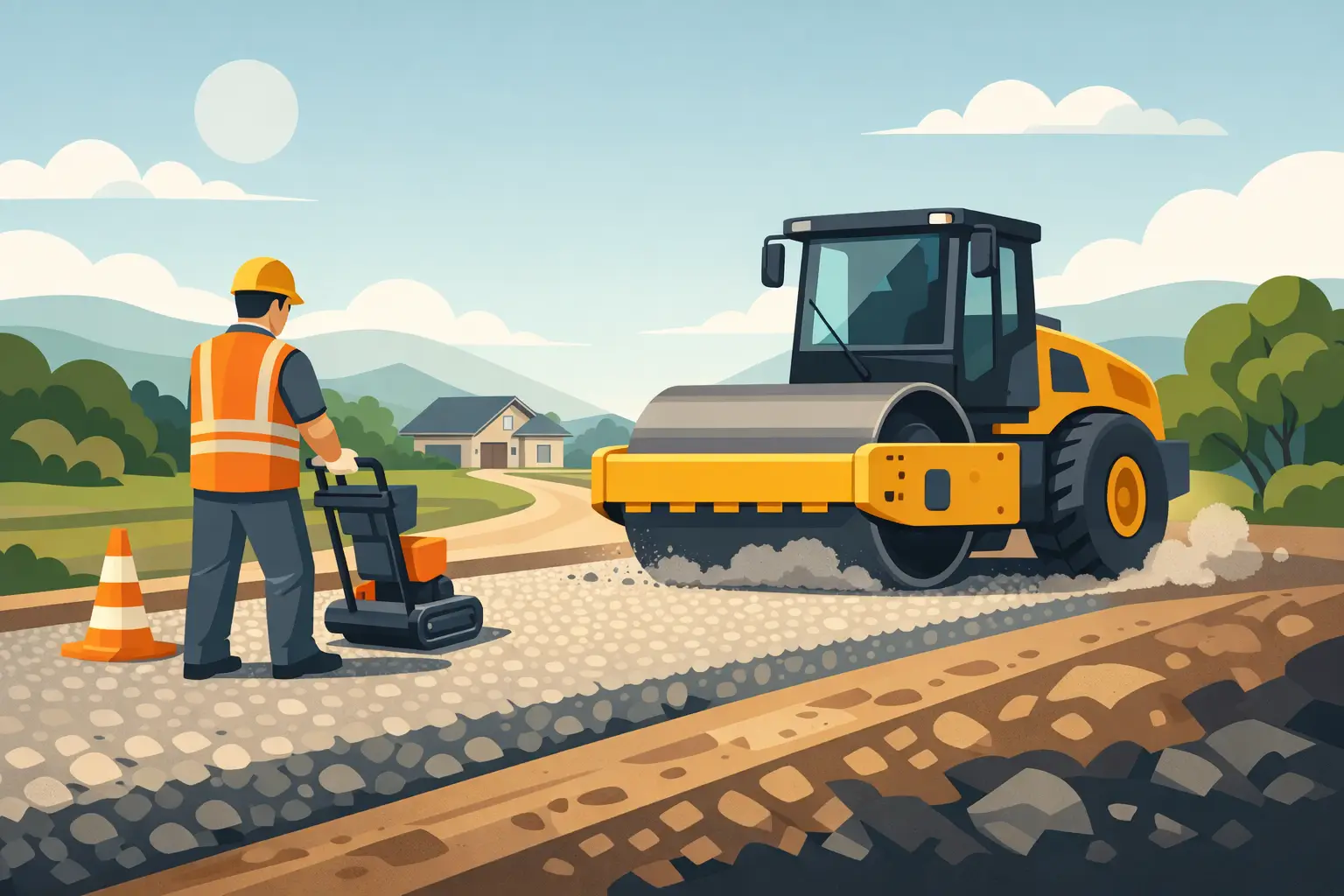
Land leveling means bringing ground to the elevation and slope needed for a specific use. That may involve stripping organics, cutting down high ground, spreading suitable fill, compacting in lifts where required, and final grading the surface. On larger acreage, it can also include clearing rough ground, filling old ruts, smoothing former terrace lines, and creating a consistent slope for drainage or agricultural use.
The work is often described as “leveling,” but completely level ground is not always the right answer. Water needs a place to go. A building pad may be nearly level while the surrounding yard falls away from it. A gravel driveway needs a crown or cross slope so water sheds off the surface instead of running down the wheel tracks. A livestock arena needs a controlled grade that drains without becoming too steep for use.
That is why grade control matters more than simply making a site look smooth. Ground can appear finished from a distance and still have shallow dips that collect water or soft zones that settle after the first hard rain.
Start With the Use of the Property
Before a dozer starts cutting, decide what the finished ground needs to support. A house pad, a metal building site, and a hay field may all sit on the same acreage, but they should not be graded the same way.
For a foundation pad, the focus is stable subgrade, proper elevation, and drainage away from the structure. Topsoil and organic material usually need to come off before suitable fill is placed and shaped. If the existing soil is weak, wet, or highly variable, the job may require imported select fill, compaction, or additional excavation before the pad is ready for construction.
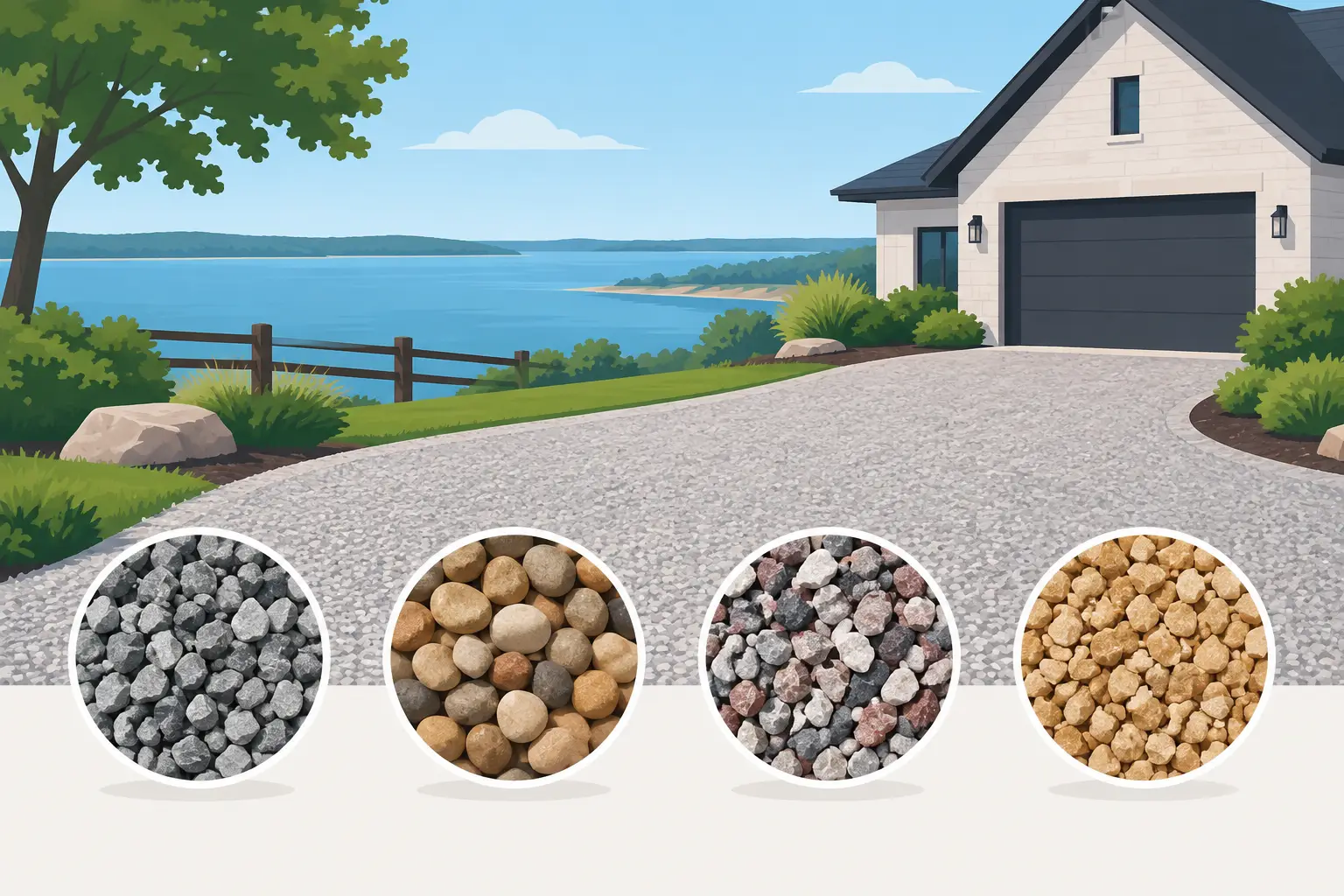
For a driveway or private road, the priority is all-weather access. The road needs a stable base, drainage along the route, and a surface shape that keeps runoff moving. Dozer work may establish the roadbed, but road base, clean rock, or limestone material is often needed to finish a durable driving surface. Spreading gravel over unprepared ground usually leads to ruts, potholes, and wasted material.
For ranch and agricultural ground, grading may center on access, drainage, pasture improvements, or a usable site for barns, pens, round pens, and arenas. The best approach depends on how equipment, livestock, and water move across the property. A shallow swale that is useful for drainage in one location may make a gate entrance muddy in another.
Cut, Fill, and Soil Conditions Matter
The cleanest leveling jobs use soil already on the property whenever practical. A dozer can cut material from a high area and move it into a low area, reducing hauling costs and keeping the project moving. But not all dirt is good fill.
Topsoil, roots, brush, and dark organic material do not belong beneath a building pad or road base. They can decompose and settle, leaving uneven ground long after the project looks complete. That material may be stockpiled for finish grading, pasture areas, or landscaping, while firmer native material is used below the finished surface.
It also matters how far dirt has to travel. A dozer is highly effective for spreading, shaping, and moving material across short to moderate distances. On a large cut-and-fill project, an excavator, scraper, haul trucks, or other equipment may be more efficient for moving a heavy volume of dirt. The right equipment mix depends on site size, soil type, travel distance, access, and the amount of material being handled.
Wet soil changes the job as well. Clay-heavy ground can pump under equipment and turn into a soft mess if it is worked at the wrong time. Dry, hard ground may need to be loosened before it can be cut and shaped efficiently. Experienced operators plan around weather and field conditions instead of forcing the work and creating more repair later.
Drainage Has to Be Part of the Grade
Most land-leveling failures are water problems. If runoff has no planned route, it will make one. That often means water against a foundation, across a driveway, through a gate opening, or into a low spot that never fully dries.
The finished grade should move water away from structures and across the property without creating erosion. In some cases, a broad, shallow swale is enough. In others, the property needs a ditch, culvert, or properly sized crossing to carry water under a road or driveway. Culverts must be set at the right elevation and slope. A pipe installed too high can leave water trapped upstream. One installed too low or without good end protection can wash out the road above it.
Drainage improvements should also account for neighboring ground and existing runoff patterns. Raising a pad or road changes how water moves. That is normal, but it needs to be considered before dirt is moved, not after water starts pooling at the property line.
Building Pads Need More Than a Flat Spot
A foundation pad is one of the most common reasons property owners request grading. The pad needs to be at the correct elevation for the planned structure, with room for construction access and enough fall around it to keep water away.
The process commonly starts by stripping unsuitable surface material. The area is then cut or filled to establish the required subgrade. Fill should be placed in manageable lifts and compacted when the project calls for it, especially under homes, shops, commercial buildings, and other structures where settlement can become expensive.
A pad may also need extra width beyond the building footprint. That gives crews room to work, allows for final drainage shaping, and prevents the edge of the pad from becoming a steep, erodible drop. Builders should provide finished floor elevations and pad requirements early so the grading work supports the construction plan instead of creating a costly adjustment.
The Finish Matters as Much as the Rough Grade
Rough grading gets dirt in the general place. Finish grading makes the land usable. It removes abrupt transitions, shapes drainage paths, smooths access areas, and prepares the surface for gravel, grass, concrete, fencing, or the next construction phase.
This is where the intended final surface makes a difference. A site receiving road base needs a prepared subgrade with the right shape before material is delivered. A yard or pasture area may need topsoil respread after the heavy cuts and fills are complete. A pad may need proofing and final checks before concrete or building work begins.
Triple R Dirt Works can handle the dozer work, excavation, grading, hauling, and bulk materials needed to keep those phases coordinated. That matters when a project needs both earthwork and road base, select fill, sandy-loam topsoil, clean rock, or limestone screenings delivered as the grade takes shape.
When Land Leveling Needs a Bigger Plan
Some projects are straightforward: smooth an equipment yard, improve a building site, or remove a troublesome high spot. Others need a full site-preparation plan. Large elevation changes, wet ground, drainage crossings, poor access, retaining needs, or a substantial amount of imported fill can change the scope quickly.
It is worth walking the property before setting expectations on price or schedule. Mark the building location, road route, utilities, existing drainage routes, trees to protect, and areas where material can be stockpiled. If stakes, plans, or surveyed elevations are available, have them ready. A clear target helps prevent rework and makes sure the finished grade fits the project rather than just the first pass of the dozer.
Good land leveling should leave the property easier to build on, easier to access, and easier to maintain after the equipment is gone. Start with the water, the soil, and the purpose of the ground, then shape the site to hold up for the work ahead.