

Gravel Delivery That Holds Up in Texoma
A load of gravel can improve a muddy entrance in one afternoon. It can also disappear into soft ground, wash into a ditch, or leave a driveway rougher than before if the material and site are not matched. Good gravel delivery starts before the truck is loaded. The questions are practical: What will use the road? Where will water go? Is there a solid base under the new rock? Can a loaded truck reach the dump location without getting stuck or damaging the property?
For a Texoma driveway, ranch road, parking area, foundation pad, or construction entrance, gravel is more than a finish material. It is part of the working surface that carries traffic, sheds water, and protects the ground below.
Start With the Job the Gravel Must Do
Not every gravel project needs the same product. A homeowner adding a clean top layer to an established driveway has a different need than a builder creating an all-weather construction entrance. A ranch road that sees feed trucks, trailers, and equipment needs more support than a light-use path to a barn or shop.
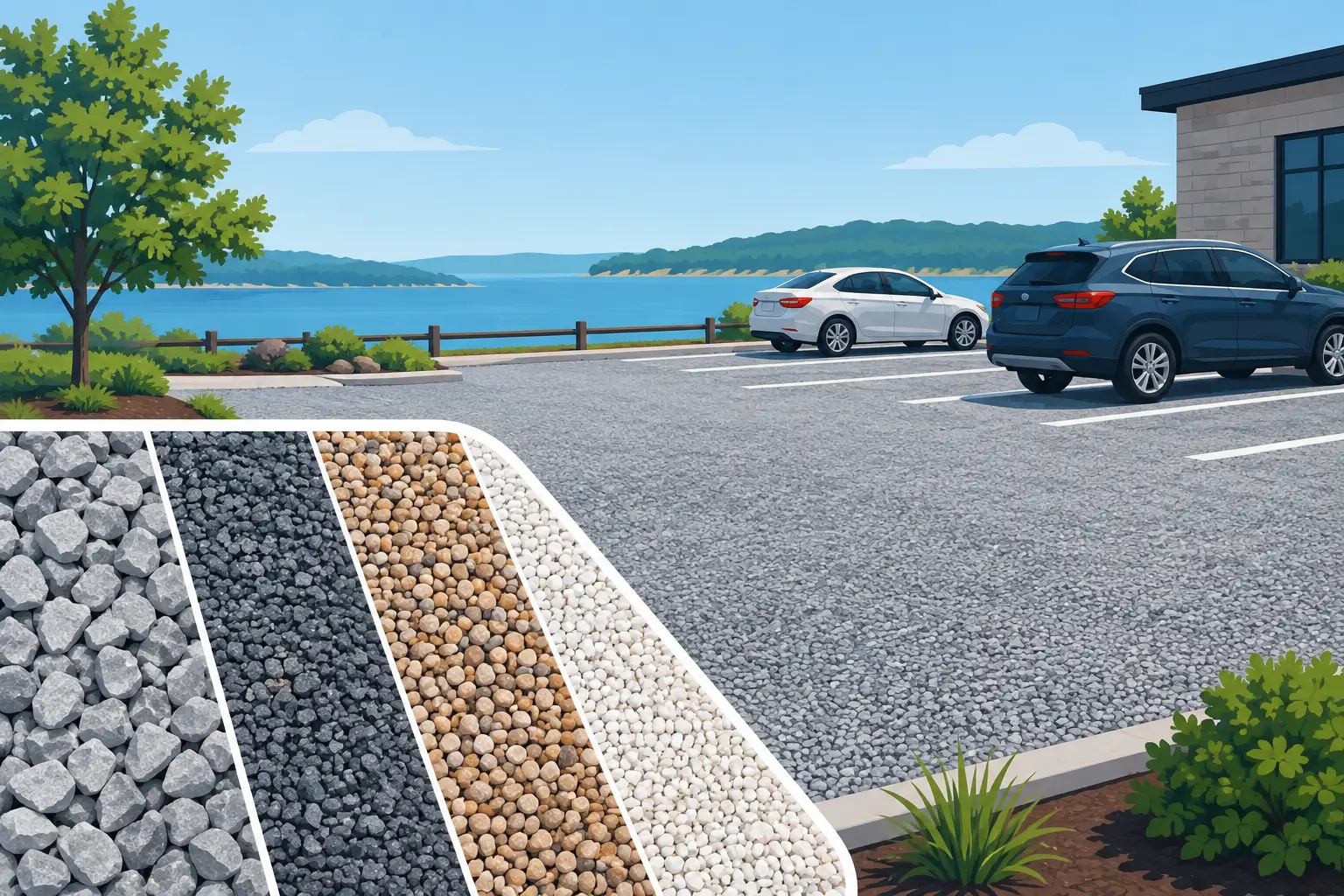
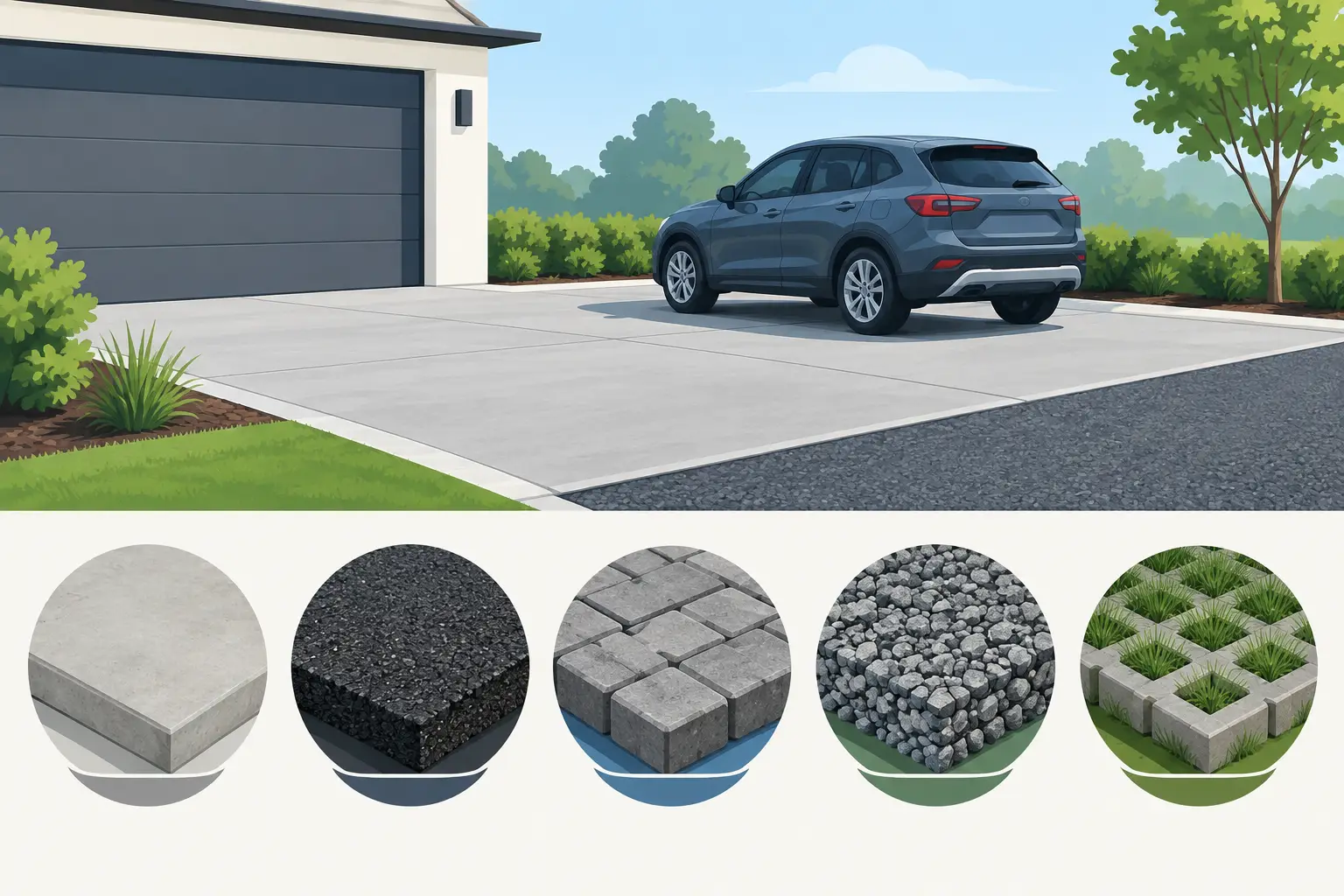
Road base is commonly the right starting point where the existing surface is soft, uneven, or carrying regular vehicle weight. Its blend of rock and fines compacts into a tighter surface, helping create a stable base. It is a practical choice for new driveways, parking lots, private roads, and areas that need to hold up under repeated traffic.
Clean rock has less fine material and is often used for drainage, a finished driveway surface, or applications where water needs to move through the material. Limestone screenings can work well for compacted walkways, patio areas, and certain finish applications. Decomposed granite provides a different look and can be a useful surface material, but it still needs proper grade and drainage to perform.
The best material depends on the surface beneath it, the amount of traffic, and the result you expect. Putting decorative rock over mud does not build a road. In many cases, the right answer is grading the subgrade, placing a compacted road-base layer, then adding a clean finish rock if appearance or surface texture matters.
Gravel Delivery Is Only Part of the Work
A truck can deliver the correct material on time, but delivery alone cannot correct failed drainage or a weak subgrade. This is where many driveway repairs fall short. Fresh gravel may look good for a few weeks, then tire tracks reappear because the underlying soil is still pumping water and moving under traffic.
Before placing gravel, look at the shape of the road or pad. Water should have a way off the surface rather than traveling down the wheel paths. A driveway may need a crown through the center, a gradual cross slope, roadside ditches, or a culvert where drainage crosses the drive. The exact approach depends on the property, but standing water is always a warning sign.
Low spots also need attention before a delivery arrives. If a truck dumps rock into a hole without correcting the grade, that hole may still hold water. On a new road, stripping soft organic material and building the area back with suitable fill or base material can make the difference between a surface that lasts and one that needs constant repair.
For larger jobs, equipment matters. A skid steer can spread and shape smaller areas efficiently. A dozer is useful for longer roads, broad pads, and final grading. Excavators may be needed where drainage channels, culverts, or unsuitable material have to be addressed first. Coordinating the dirt work, hauling, and material placement keeps the job moving without waiting on multiple crews.
Plan Access Before Scheduling Gravel Delivery
A loaded dump truck needs room to enter, turn, and dump safely. This sounds simple until a narrow gate, low tree limb, soft yard, overhead line, or tight turnaround stops the truck short of the intended location.
Measure gates and entrances, especially on rural properties with pipe gates, cattle guards, or narrow bridge crossings. Check for limbs and utility lines above the drive. If the dump point is beyond a soft pasture crossing or through a tight residential side yard, a full-size truck may not be the right way to place the material.
The condition of the access road matters too. Heavy trucks can damage saturated ground, crush weak culverts, and rut a driveway that was already failing. If rain has softened the site, it may make sense to wait, stabilize the entrance first, or use a different placement plan. A load of rock does not help much if the truck cannot reach the work area or leaves the property harder to use than before.
Tell the delivery provider where you want the material placed and what the truck will encounter on the way there. Photos and clear measurements can help identify problems early, but an on-site look is often worthwhile for roads, pads, or larger material quantities.
Order Enough Material, But Do Not Guess
Bulk aggregate is usually ordered by the ton, while the coverage you need is measured in square feet and depth. That makes quick estimates easy to get wrong. A thin layer spread over a long driveway disappears fast, particularly when the surface needs reshaping first.
For example, a 12-foot-wide driveway that runs 300 feet is 3,600 square feet. A 2-inch finish layer is much different from a 4- to 6-inch compacted base course. The deeper the placement, the more tonnage the job requires. Soft subgrade, pothole repairs, road crowning, and material lost into low areas can all increase the total.
It helps to separate the project into layers. You may need road base to rebuild weak sections and a different rock for the top course. A parking area may need more depth at its entrance or turning zones where vehicles brake, turn, and apply concentrated load. A construction drive can require thicker base than a finished residential driveway because concrete trucks, delivery trucks, and equipment will use it.
Ordering too little can leave a project unfinished and add another trip. Ordering far too much creates a stockpile that needs a place to go. A realistic site measurement and an honest conversation about intended use are better than relying on a rough visual estimate.
Dump Placement Can Save Time and Money
Where the truck places the load affects how much machine work follows. On a long driveway, several controlled piles spaced along the route are often easier to spread than one large pile at the entrance. For a parking lot or pad, material may be placed along an edge and worked across the area in lifts.
There are limits. A dump truck needs level, firm footing when raising its bed. Dumping on a steep side slope, soft ground, or beneath low overhead obstacles can be unsafe. Material also should not be piled where it blocks drainage, gates, traffic flow, or access for other crews.
If a project needs material moved a significant distance from the unloading point, plan for equipment. Trying to spread a large gravel load with a pickup, hand tools, or repeated wheelbarrow trips is rarely efficient. A skid steer or dozer can place, shape, and blend material into the existing surface far more effectively, especially when the work includes grading.
Make the Surface Last After the Truck Leaves
Fresh gravel needs traffic management and occasional maintenance, especially during the first few weeks. Avoid driving repeatedly in the same track while the material is loose. If the surface is road base or screenings, moisture and compaction can help it tighten up. If clean rock is used as a top layer, periodic reshaping may still be needed to keep it from migrating outward.
Watch the driveway after the first hard rain. Water flowing across the gravel, ruts near a culvert, or puddles at the entrance point to a drainage issue that should be fixed before it becomes a larger repair. Adding more rock without correcting water flow is usually money spent twice.
A well-built gravel surface also needs routine touch-up. Traffic pushes material to the edges, and heavy rain can move fines or expose weak spots. Light regrading and spot gravel delivery at the right time cost less than waiting until the road has deep potholes and a failed base.
For property owners, builders, and ranch operators, the practical goal is not simply a load of rock. It is a driveway, road, pad, or parking area that stays usable when the weather turns and the work still has to get done. Triple R Dirt Works can coordinate material delivery with grading, road-base placement, drainage work, and equipment support so the finished surface has a better chance of holding up where it matters.