
Best Materials for Parking Pads That Last
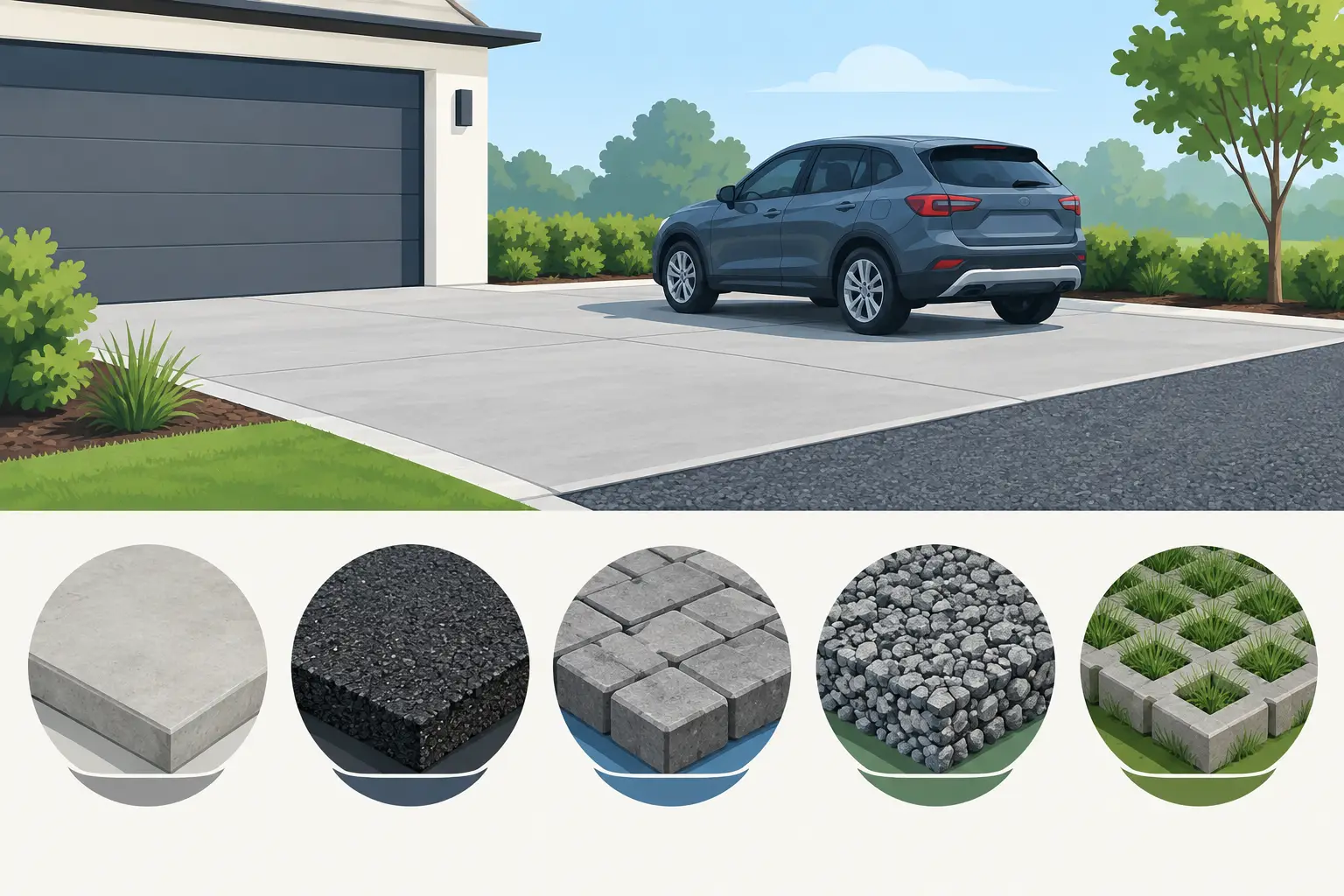
A parking pad that looks fine on day one can turn into ruts, potholes, and mud after a few hard rains if the material underneath was not built for the job. The best materials for parking pads depend on vehicle weight, soil conditions, drainage, traffic frequency, and whether you need a finished surface for daily use or a heavy-duty work area.
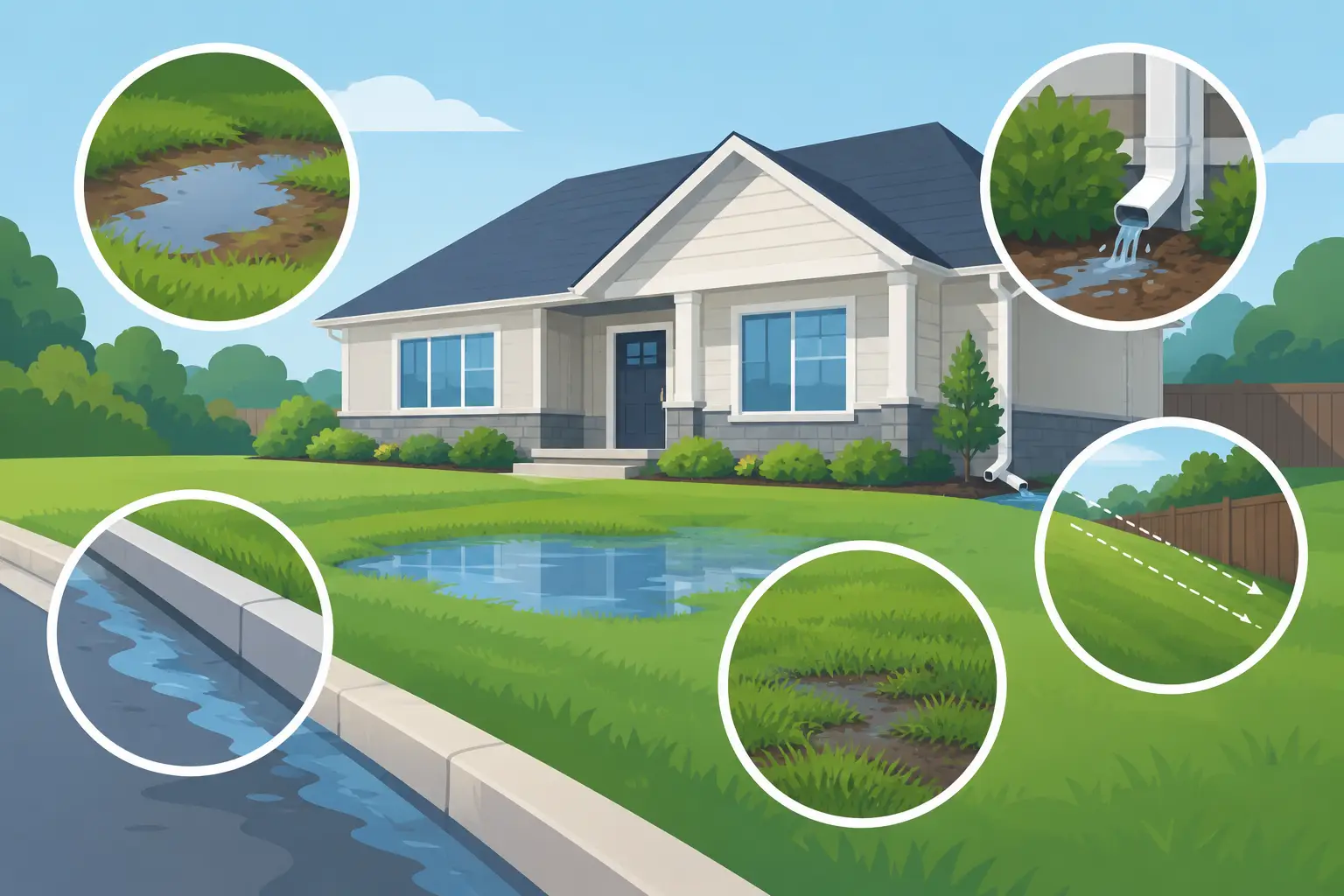
In Texoma, a good parking pad starts below the rock. Clay soils, low spots, runoff from roofs, and repeated truck traffic can all work against an otherwise decent gravel surface. The right material matters, but proper grading, a firm subgrade, and enough depth matter just as much.
Start With the Ground, Not the Top Rock
Before hauling in material, the area needs to be evaluated and shaped correctly. If soft topsoil, vegetation, or wet mud is buried under a new pad, the rock will settle into it. That leads to low spots and requires more maintenance later.
A typical parking-pad build begins by stripping organic material where needed, leveling and compacting the subgrade, then establishing grade so water moves away from the parking area. On soft or unstable ground, a geotextile fabric may be useful between the soil and base material. It helps keep the rock from mixing down into the dirt and can extend the life of the pad.
Drainage should be handled before the final surface goes down. Water that ponds on or beside a parking area will soften the base and push material out of place. Depending on the property, that may mean crowning the pad, creating a gradual side slope, adding a ditch, or installing a culvert where runoff crosses an access drive.
Road Base Is the Best All-Around Parking Pad Material
For most residential, ranch, and light commercial parking pads, road base is the workhorse material. It contains a blend of crushed stone and fines that lock together when spread, watered, and compacted. That interlocking structure provides a stable foundation for cars, pickups, trailers, and regular equipment traffic.
Road base is usually the right choice when the goal is a pad that stays firm instead of loose under tires. It works especially well beneath a finished rock layer, but it can also serve as the primary driving surface on practical work areas where appearance is less of a concern.
The required depth depends on conditions. A parking area for passenger vehicles on firm ground may need a thinner compacted section than a pad used by loaded trailers, work trucks, RVs, or agricultural equipment. Soft native soil and poor drainage also call for more base. Adding a couple inches of rock to unstable ground is rarely a lasting fix. The weak ground needs to be addressed first.
Road base does have a trade-off: its fines can track dust in dry weather and become messy if water is allowed to stand on it. Proper compaction and drainage reduce both problems. For a cleaner-looking finish, place clean rock over a compacted road-base foundation.
Clean Rock Gives a Parking Pad a Finished Surface
Clean rock is crushed stone with little to no fine material. It is a solid choice for the visible top layer of a parking pad, particularly around homes, shops, barns, and equipment buildings. It drains well, looks cleaner than a base-only surface, and gives tires a firm rock surface instead of compacted dirt.
The stone size should fit the use. Larger rock can hold up well under truck traffic but may be uncomfortable to walk on and harder to rake smooth. Smaller rock is easier on foot traffic and has a more finished appearance, but it may move around more under turning tires if it is placed too deep or lacks a stable base.
Clean rock performs best when it is not expected to do all the structural work. Spread directly over soft soil, it can disappear, migrate, and develop tire tracks. Installed over a properly graded and compacted road base, it provides drainage and a clean finish while the base carries the load.
For many property owners, this two-layer approach is the best balance: road base for strength, then clean rock for the final surface. It is a practical setup for a house pad parking area, shop parking, trailer parking, and ranch entrances.
Limestone Screenings Work for Tight, Smooth Areas
Limestone screenings are a fine crushed limestone product that can compact into a hard, relatively smooth surface. They are often useful for smaller parking pads, walkable areas, patio-adjacent spaces, and locations where loose larger gravel is not wanted.
When installed at the right depth and compacted correctly, screenings can create a tidy surface with fewer loose stones. They are also useful as a leveling material in certain applications. However, they are not automatically the best top layer for every vehicle area.
Screenings can hold moisture if the pad is flat or poorly drained. They may also become dusty during extended dry weather. For a lightly used parking space with good slope, they can be a clean solution. For heavy trucks, frequent trailer turns, or wet ground, a road-base section with a more durable clean-rock surface may be a better fit.
Decomposed Granite Fits Some Residential Pads
Decomposed granite is popular where appearance matters and a more natural color is desired. It can work well for residential parking pads, side-yard parking, and low-traffic areas when installed over a stable base. It compacts better than loose decorative gravel and generally provides a more finished look.
Like other fine materials, decomposed granite needs proper slope and drainage. It is not the first choice for a heavily loaded work-truck area, a commercial yard, or a spot where trailers turn sharply every day. Those conditions tend to call for crushed road base and rock selected for load-bearing performance rather than appearance alone.
Materials That Need More Thought
Not every rock product is built for parking. River rock and rounded decorative stone may look good, but the smooth pieces do not lock together. Tires can push them aside, especially on slopes and at turning areas. They are better suited for landscaping than for a working vehicle surface.
Pea gravel has similar limitations. It is comfortable underfoot and can be attractive around a home, but it shifts easily under tires. Using it on top of a heavy-duty base may work in a lightly used decorative area, but it is not a strong choice for a primary parking pad.
Reclaimed asphalt can be an option in some situations. It can compact into a firm surface and reduce dust when installed correctly, but the quality varies by source. It also needs a prepared base and good drainage. A poorly installed asphalt-millings pad can rut just like any other surface if the subgrade is weak.
Match Material Depth to the Vehicles Using It
The biggest mistake on parking pads is building for the vehicle currently parked there instead of the traffic the area will see over time. A small car parking area and a pad used by a loaded dump trailer are different jobs.
Consider who will use the space: passenger cars, daily pickups, delivery trucks, RVs, tractors, skid steers, horse trailers, or heavy equipment. Also account for where vehicles will turn, stop, and back up. Those are the spots where gravel tends to move and where the base needs the most support.
A shop pad may need extra base at the entrance because loaded trailers repeatedly cross the same line. A rural parking area may need more work on drainage than surface material because runoff from a long drive feeds into it. A commercial lot may require a thicker, carefully compacted section across the entire area to handle regular deliveries.
Compaction Is What Makes the Material Perform
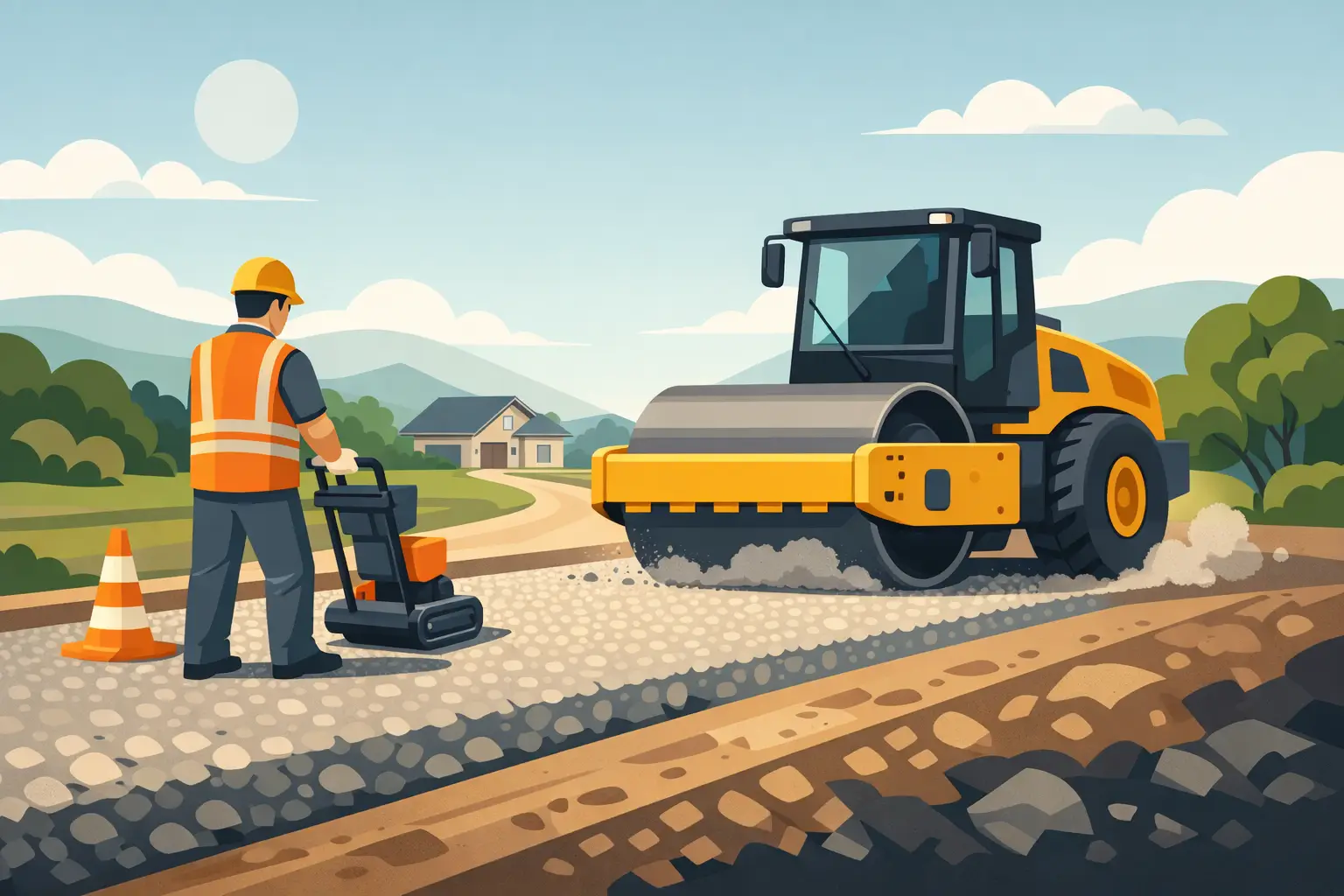
Hauling good aggregate onto a site is only part of the work. Material needs to be placed in manageable lifts and compacted. A dozer, skid steer, or excavator can shape the pad, but compaction equipment provides the density that helps the base hold its grade under traffic.
Water can also be part of the process. Some base materials compact best at the right moisture level, not bone dry and not saturated. The goal is a dense, stable surface that sheds water instead of pumping mud through the rock.
At Triple R Dirt Works, parking-pad work is approached as a site-preparation job, not simply a load of gravel dumped in a low spot. Grading, drainage correction, base installation, and material delivery all affect whether the finished pad stays usable through wet weather and daily traffic.
A good parking pad should make the property easier to use every time you pull in. Build the base for the load, choose a surface that fits the use, and make sure water has a place to go before the first load of aggregate is spread.