

Topsoil Versus Select Fill: Which One Fits?
A load of dirt can look like a load of dirt until it is spread under a building pad, packed into a low spot, or placed where grass is supposed to grow. The difference between topsoil versus select fill affects how well the ground drains, compacts, supports weight, and performs after the next hard Texoma rain. Choosing by the lowest price or what is available first can create expensive rework later.
Topsoil and select fill are both useful materials, but they serve different jobs. One is meant to support plant growth near the surface. The other is meant to create a stable, workable base below the surface. The right choice depends on what you are building, what the existing ground looks like, and whether the material needs to carry a load.
Topsoil Versus Select Fill: The Working Difference
Topsoil is the upper layer of soil where grass, shrubs, gardens, and other plants grow. In this part of North Texas and southern Oklahoma, a good sandy-loam topsoil usually contains a workable blend of sand, silt, clay, and organic matter. It holds enough moisture for roots while still allowing water and air to move through the soil.
Select fill is processed or screened fill dirt chosen for more consistent construction use. It is generally lower in organic material than topsoil and is intended to be placed in lifts, moisture-conditioned as needed, and compacted. Its job is not to grow Bermuda grass or support a garden. Its job is to build grade and provide a firm subgrade for pads, roads, parking areas, and other improvements.
That distinction matters because organic material breaks down over time. If topsoil is buried beneath a foundation pad or driveway, the decomposing material can leave voids and contribute to settlement. Select fill is more predictable under compaction, which is what a building pad or engineered grade needs.
When Topsoil Is the Right Material
Use topsoil when the finished surface needs to grow something. It is the final layer for lawn areas after rough grading, a practical choice around new construction, and useful for repairing thin or rocky ground on residential lots and rural properties. It can also help establish grass on disturbed areas once drainage and final grades are already correct.
For most landscape work, topsoil is placed after the heavy work is complete. A property may first need excavation, drainage correction, or rough grading with native material and fill. Once the site has the right slope and runoff path, topsoil can be spread across the final surface to provide a better growing medium.
Depth depends on the project. A thin dressing may improve an existing yard, while a newly graded homesite or pasture area may need more material to establish a usable root zone. The key is to avoid treating topsoil as a structural product. It is a finish material, not a substitute for properly compacted fill beneath construction.
Topsoil also has limits on steep slopes and wet areas. Freshly placed topsoil can wash if it is spread before drainage is controlled or before vegetation has a chance to take hold. On a sloped lot, shaping swales, building up low areas correctly, and directing water away from structures comes first. Then topsoil, seed, sod, or erosion control can finish the job.
When Select Fill Is the Better Choice
Select fill is the better choice when the material will be buried, compacted, or expected to support weight. Common uses include raising a building site above surrounding grade, constructing a foundation pad, filling excavated areas, building a road subgrade, and correcting broad low spots before final surface work begins.
A pad is a good example. Before concrete is poured, the building area must have the right elevation, slope, and support. Select fill can be placed in controlled lifts and compacted to create a stable working surface. The final design, required compaction, and testing requirements should follow the plans and direction of the builder, engineer, or local authority. But the material itself needs to be suitable for structural fill work, not just whatever dirt came out of another excavation.
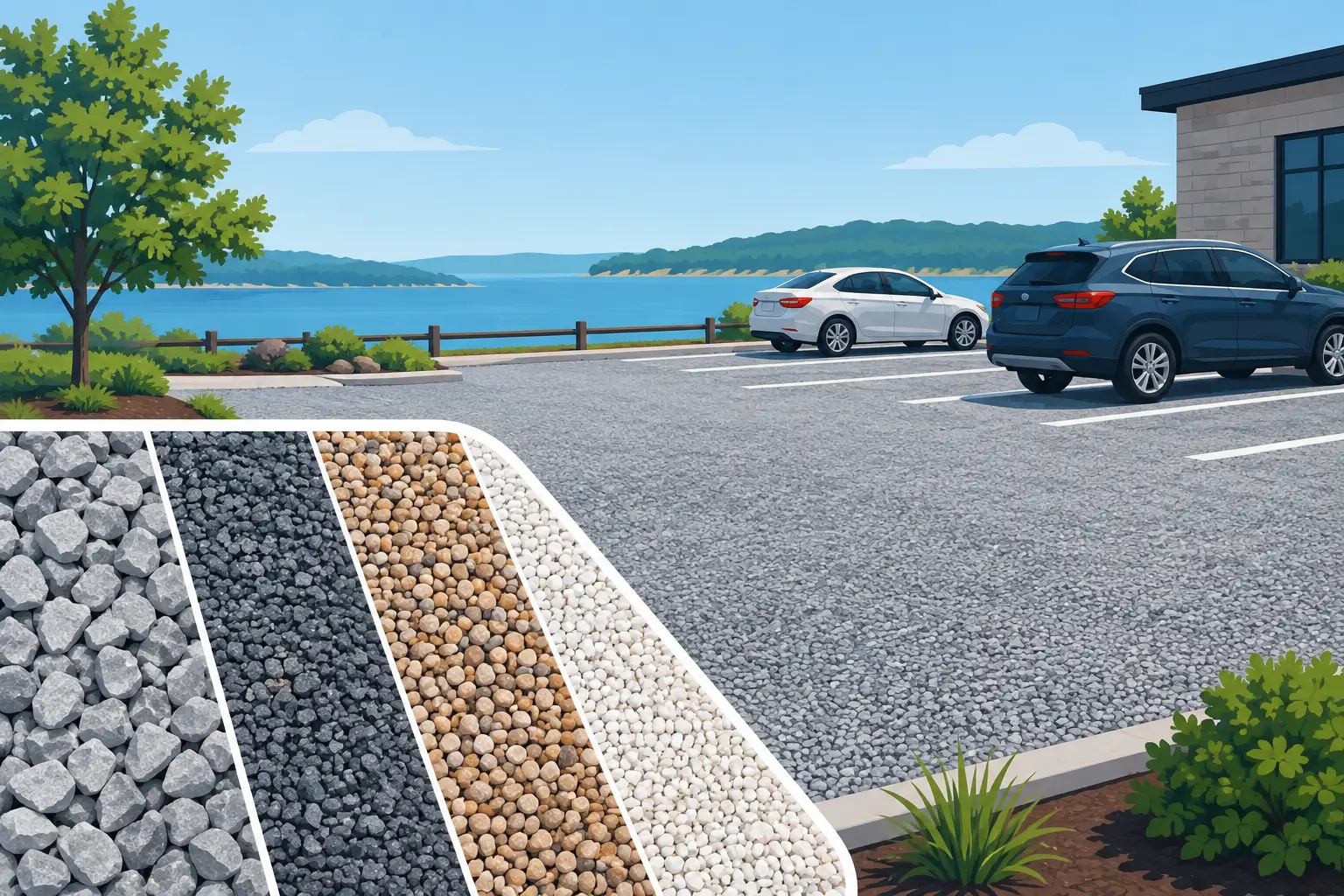
The same thinking applies to a gravel driveway. Select fill may be needed to build weak or low ground into a solid subgrade before road base and clean rock are installed. Gravel laid directly over soft, wet soil often gets pushed down and mixed into the mud. Building the grade first gives the driveway a better chance of staying firm through traffic and weather.
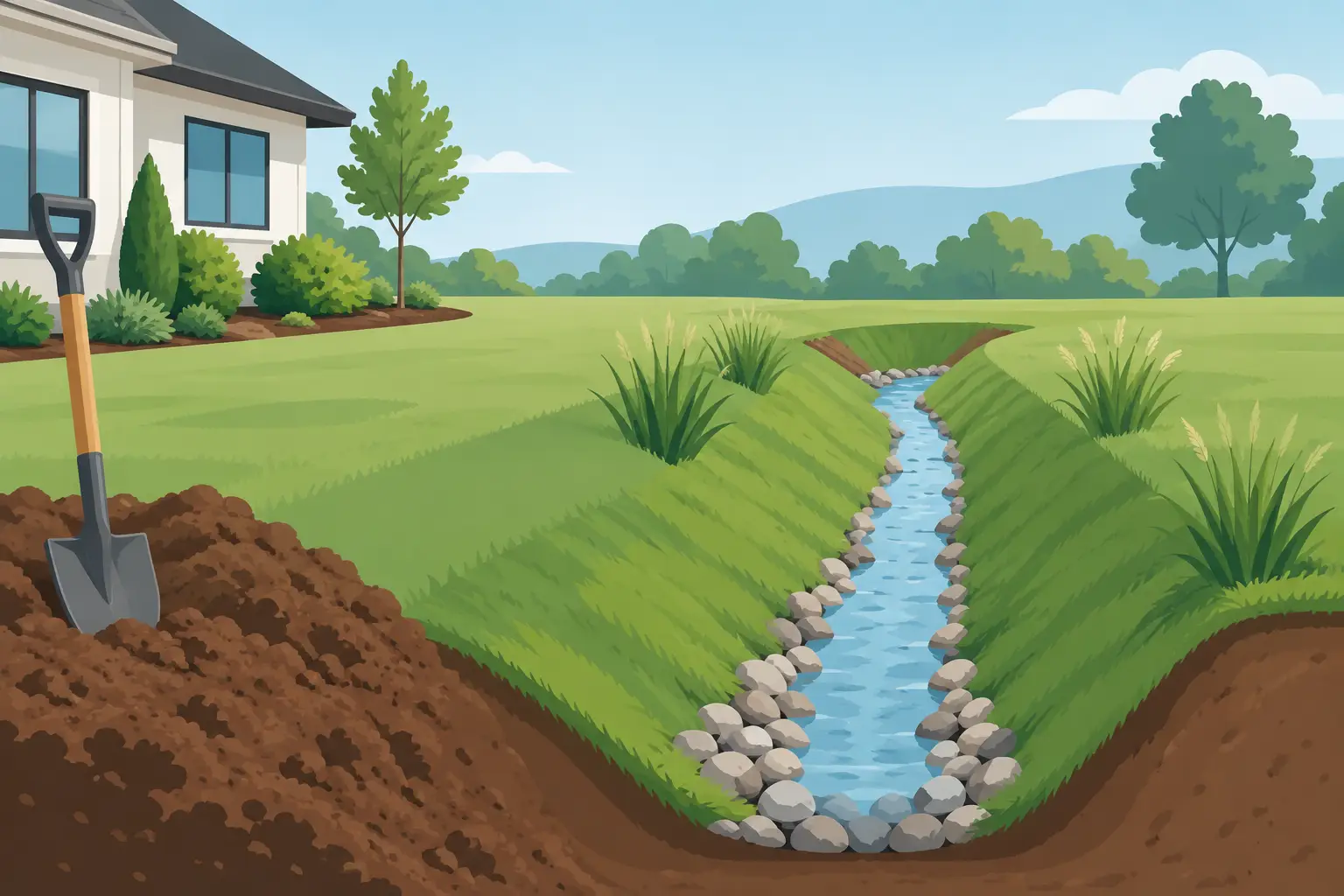
For drainage work, select fill can raise an area or reshape the ground so water moves where it should. It does not replace a culvert, ditch, or properly designed drainage route, but it is often part of the grading work that makes those features function. Material placed against a house, shop, or barn should maintain positive drainage away from the structure.
Why Native Dirt Is Not Always Enough
Some projects can use on-site dirt. If excavated material is clean, workable, and suitable for the intended use, reusing it can reduce hauling and material costs. That can make sense for general grading, pond spoil placement, or filling areas that will not carry a structure.
But native dirt varies across a single property. One cut may produce sandy material, another may expose heavy clay, and another may contain roots, rocks, debris, or moisture-sensitive soil. A low spot filled with loose excavation spoils may look level on the day it is finished, then settle after rain or traffic.
Select fill offers more consistency when consistency matters. That does not mean every project needs imported select fill. It means the material should match the job. A ranch trail, a shop pad, and a backyard lawn do not have the same requirements.
Compaction Changes the Outcome
Material type is only half the job. Placement and compaction determine whether the finished grade stays put. Select fill should generally be placed in manageable lifts rather than dumped into a deep hole and packed only at the surface. If the lower material remains loose, settlement can show up later as cracking, rutting, or standing water.
Moisture matters too. Dirt that is too dry may not compact well. Dirt that is overly wet can pump, rut, and resist proper compaction. Texoma clay soils can be especially difficult after extended rain. A dozer, skid steer, excavator, and compaction equipment can move and shape material efficiently, but the crew still needs to work with actual site conditions rather than force a finish during unsuitable weather.
Topsoil usually should not be aggressively compacted. A lawn needs pore space for roots, water, and air. Light tracking during spreading is normal, but a finished planting area that has been packed like a road base may struggle to establish healthy grass.
Common Material Mistakes on Texoma Properties
The most common mistake is using topsoil to raise a pad or repair a driveway base. It may look good initially, but it is not designed for that buried structural role. Another frequent issue is ordering select fill for a lawn finish, then wondering why the soil is hard, low in organic matter, and difficult to establish.
Property owners also sometimes place material without checking final elevations. Adding dirt near a home can accidentally direct water toward the slab, cover weep holes, reduce clearance around siding, or create a ponding area at a gate, barn, or driveway entrance. Grade should be planned before trucks start unloading.
A few questions prevent most of these problems: Will this material carry a building, vehicle, or livestock load? Will it stay below the finished surface? Does the area need to grow grass or landscaping? Where will water go once the elevation changes? The answers point to the right material and the right sequence of work.
Match the Material to the Finished Job
For a foundation pad, road subgrade, broad fill area, or major grade correction, select fill is usually the practical starting point. For a yard, landscape bed, pasture restoration area, or final surface around a completed project, sandy-loam topsoil is usually the better finish.
Some jobs need both. A new homesite may use select fill to establish a stable pad and proper drainage, then receive topsoil around the house after construction. A driveway project may need fill to correct low ground, road base for strength, and a clean rock surface for the finished drive. Each layer has a job, and skipping one often shows up later.
Triple R Dirt Works can help match delivered material and site work to the actual condition of your property, whether the need is a stable pad, a better driveway base, corrected drainage, or a lawn-ready finish. Start with what the ground must do after the work is complete, not just what looks good from the truck.