

What Causes Foundation Pad Settlement in Texas?
A foundation pad can look level, firm, and ready for concrete on the day the crew leaves. Then rain comes, moisture moves through the soil, or the building load goes on the pad. Months later, a slab cracks, doors bind, or one side of a structure begins to sit lower than the other. That is why property owners and builders ask what causes foundation pad settlement before construction starts, not after repairs are needed.
Foundation pad settlement happens when the soil beneath a building pad compresses, shifts, softens, or washes away. The problem is rarely just the pad itself. It usually starts below the pad, in the native soil, placed fill, drainage pattern, or a combination of all three. Texoma ground can vary widely from one property to the next, so a pad that works on one site may not be the right approach a few miles down the road.
What Causes Foundation Pad Settlement?
Settlement occurs when the ground supporting the pad loses volume or bearing strength under load. Some amount of minor, uniform movement may be manageable depending on the structure and its design. Uneven settlement is the real concern. When one portion of a pad moves more than another, the foundation above it can crack or become out of level.
The most common causes are poorly prepared subgrade, inadequately compacted fill, water moving where it should not, shrinking and swelling soils, and loads that exceed what the pad was built to carry. These conditions can show up alone, but they often work together.
Weak or Disturbed Native Soil
A pad is only as stable as the subgrade beneath it. Topsoil, roots, loose organic material, old brush piles, soft pockets, and buried debris are not suitable support for a building pad. They break down or compress over time, leaving voids and uneven bearing below the foundation.
Even clean-looking ground may be unsuitable if it has been previously disturbed. Old ponds, filled ditches, abandoned utility trenches, demolition areas, and former building sites can contain inconsistent soil. One section may be dense native material while another is loose fill. Once the structure is loaded, the weaker section settles first.
Proper site preparation starts with stripping unsuitable material and checking the exposed subgrade. If soft areas are found, they need to be removed, undercut, or improved before fill and base material go down. Covering a bad spot with a little more dirt does not make it stable.
Fill That Was Not Placed and Compacted Correctly
Building pads are often raised to get a structure above surrounding grades, improve drainage, or create a level construction area. Raised pads can perform well, but only when the fill is suitable and installed in controlled lifts.
A common failure point is placing too much fill at one time and compacting only the surface. The top may feel hard under equipment, while loose material remains below. Over time, that deeper fill consolidates under the weight of the slab, walls, roof, equipment, or stored materials.
Moisture also matters during compaction. Soil that is too dry may not compact tightly. Soil that is too wet can pump, rut, and lose strength under equipment. The right approach depends on the material being used, the required pad elevation, and the structure planned for the site. Select fill, road base, and other materials each have a job to do. They are not interchangeable just because they can all be hauled in a dump truck.
Water Is Often the Main Problem
Water does not have to flood a property to cause foundation trouble. Repeated wetting, poor runoff control, leaking plumbing, roof discharge, or groundwater movement can change the soil under and around a pad.
When water saturates loose fill or fine-grained soil, it can reduce bearing strength. Water can also carry fine particles away from under a pad, especially where drainage flows concentrate along an edge. The result may be erosion, voids, or a soft area that was not visible during construction.
On the other side of the problem, prolonged dry conditions can pull moisture from clay soils. In parts of Texoma, expansive clay can swell when wet and shrink when dry. That repeated movement puts stress on foundations, particularly when moisture conditions are different from one side of the building to the other. A shaded side may stay damp while the sunny side dries out. A leaking line may keep one corner wet. A roof valley may dump runoff in the same location through every storm.
Poor Surface Drainage Around the Pad
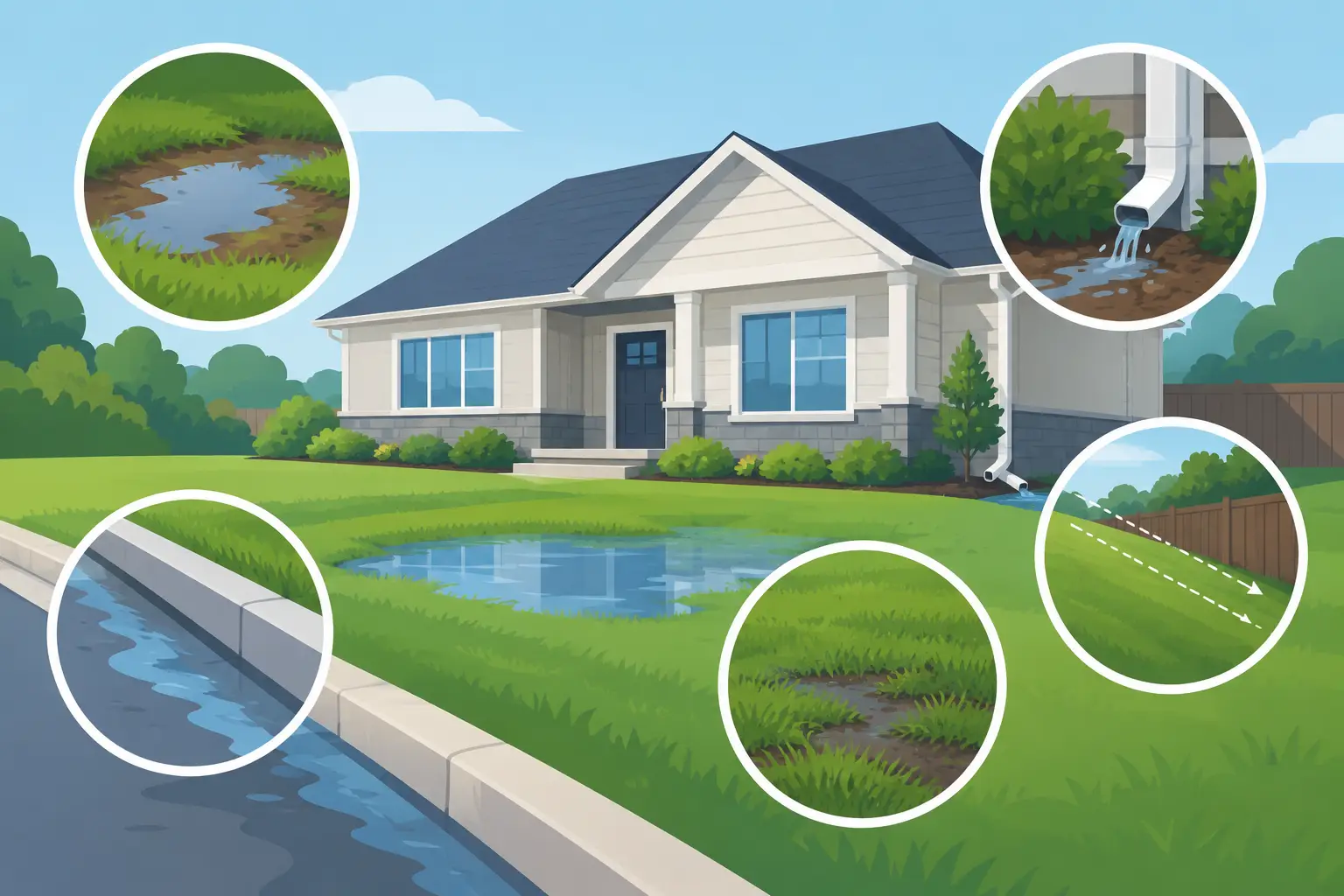
Finished grade should move water away from the structure instead of holding it at the foundation edge. Flat spots, low areas, and poorly placed downspouts create standing water where it does the most damage.
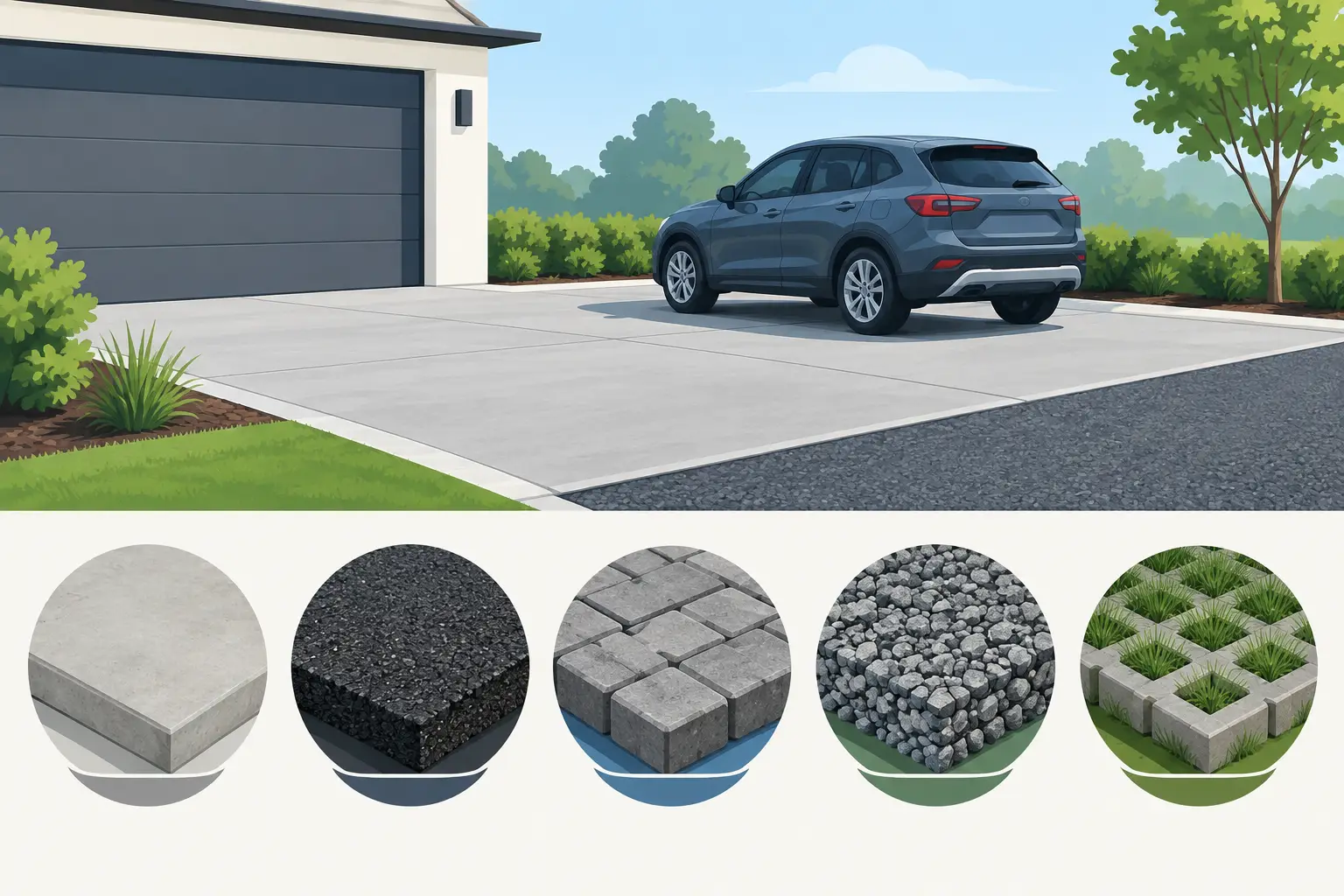
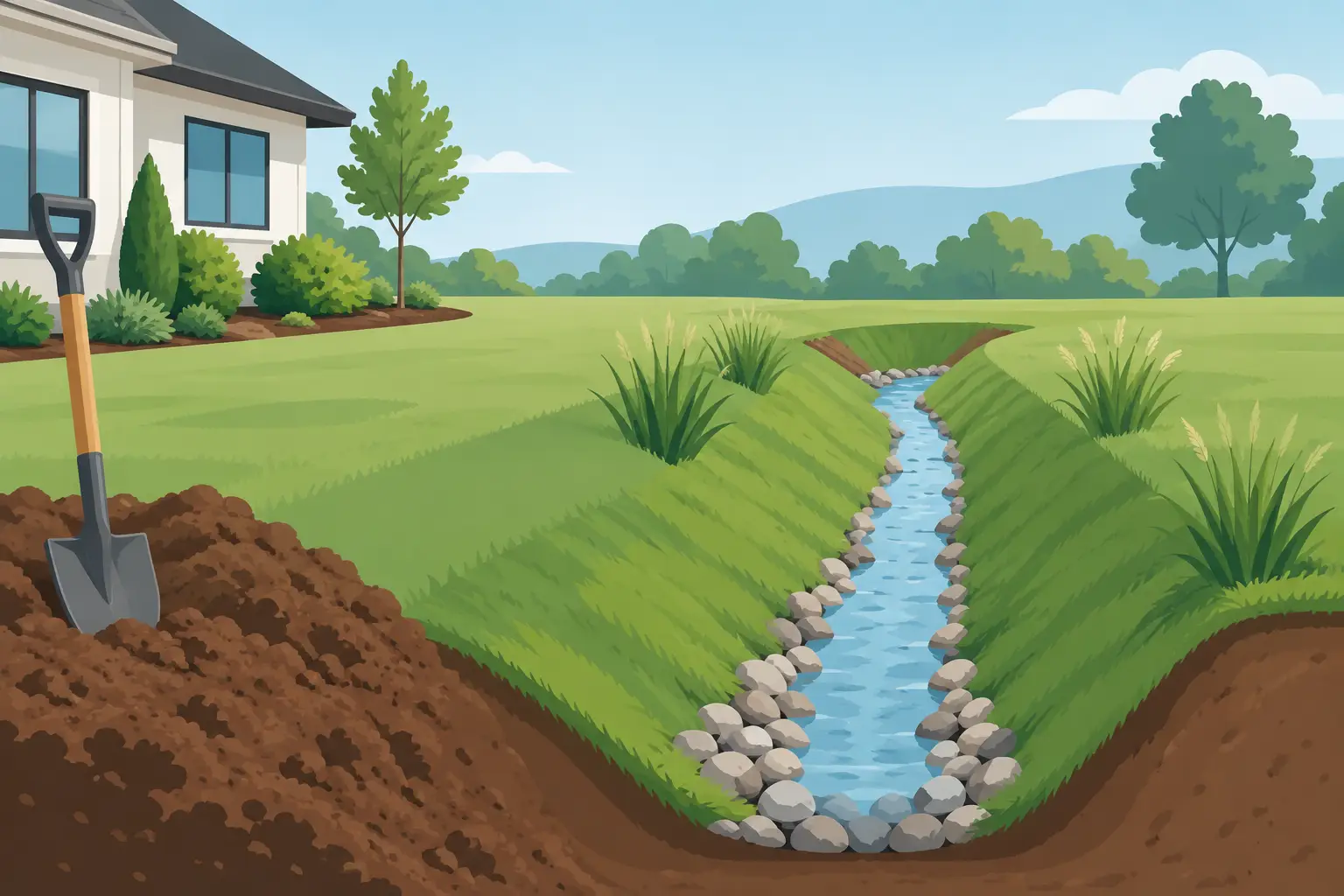
Drainage correction may involve reshaping grades, building swales, installing culverts, extending runoff paths, or using aggregate where traffic and drainage need to work together. The right fix depends on how water enters and leaves the property. On rural land, it also depends on roads, driveways, gates, pens, and other improvements that can block or redirect natural flow.
A building pad should be planned as part of the whole site. If a driveway, parking area, or neighboring slope sends water toward the pad, the pad itself cannot solve the problem alone.
Expansive Clay and Seasonal Soil Movement
Clay-heavy ground deserves special attention because it changes volume with moisture. When it gets wet, it can expand. When it dries, it can shrink and pull away. This movement is not always uniform across a homesite, shop pad, barn, or commercial building footprint.
That does not mean every clay site requires the same solution. Soil conditions, pad design, foundation type, site elevation, drainage, and the building’s intended use all affect the plan. A light metal building, a livestock structure, and a masonry home do not place the same demands on the ground.
The practical goal is to create consistent support and manage moisture as well as possible. That may include removing unsuitable soils, bringing in engineered fill, building up the pad, compacting in lifts, and grading the surrounding area so water does not collect around the structure. For projects requiring engineered specifications, a geotechnical professional and structural designer should set the requirements before earthwork begins.
Edge Erosion and Loss of Pad Support
Pad edges are vulnerable when runoff cuts channels beside the building area. Water flowing off a roof, down a slope, or across a bare lot can erode soil from the side of a pad. Over time, the edge loses confinement and support.
This is especially common where a pad is built higher than the surrounding property and the side slopes are too steep, unprotected, or exposed to concentrated runoff. Gravel, vegetation, drainage channels, and properly shaped slopes can all help, but each site needs a practical plan for the amount of water it receives.
Heavy equipment traffic can also damage pad edges before construction is complete. Repeated turning, rutting, and hauling across wet soil can disturb compacted material and create low areas that later collect water. Access routes should be planned so equipment can work without tearing up the finished pad.
Warning Signs Before and After Construction
Before concrete is poured, soft spots, pumping under equipment, standing water, visible rutting, and inconsistent material are warning signs worth addressing. A pad should not feel firm in one area and springy in another. If equipment leaves deep tracks after normal traffic, the subgrade or fill may be too wet, too weak, or insufficiently compacted.
After construction, signs of settlement can include new slab cracks, gaps at trim or exterior joints, sticking doors and windows, uneven floors, separated sidewalks, and water draining toward the building. These symptoms do not always mean the foundation is settling, but they should not be ignored. The sooner the source of water or soil movement is identified, the more options there may be to limit further damage.
Building a Pad That Holds Up
A stable pad is built from the ground up. First, clear and strip organic material. Then evaluate the native subgrade, remove weak areas, and establish the needed elevation. Suitable fill should be placed in manageable lifts and compacted at the right moisture level. Final grading should direct water away from the pad and tie into the property’s overall drainage plan.
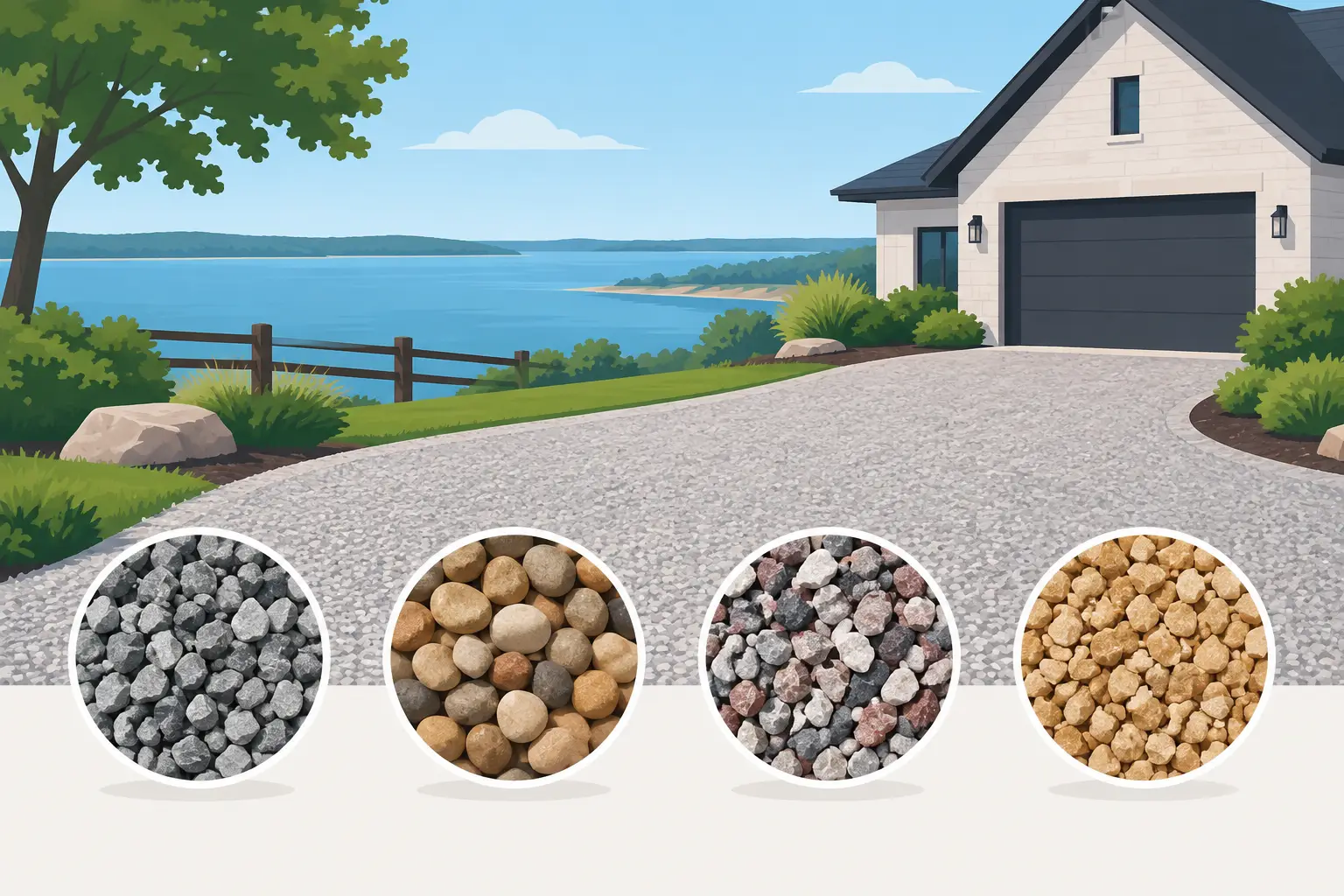
Material choice matters. Select fill may be needed to build and shape the pad. Road base or crushed aggregate may be useful for access, working surfaces, or areas where traffic will continue. Sandy-loam topsoil belongs on finished landscape areas, not beneath a structural pad. Using the right material in the right location saves trouble later.
Triple R Dirt Works handles pad construction, grading, drainage correction, excavation, and delivered materials as connected parts of the same job. That matters because a level pad is not enough. It needs a stable subgrade, properly placed material, workable access, and a path for water to get away from the building.
Before a foundation is scheduled, walk the property after a rain and look at where water stands, where it runs, and where the ground changes. Those details are often the difference between a pad that simply looks finished and one that is ready to carry a building for the long haul.