

Site Grading Benefits for Stronger Texoma Builds
A building pad can look level and still be wrong. A gravel driveway can look finished and start rutting after the first hard rain. Across Texoma, the real site grading benefits show up when water moves where it should, the ground carries its load, and the property stays usable after the weather turns. Good grading is not cosmetic dirt moving. It is the base work that protects nearly everything built on top of it.
For a homeowner, that may mean keeping runoff out of the garage and off the foundation. For a builder, it means starting on stable subgrade instead of losing time correcting soft spots later. For a ranch or acreage owner, it can mean an all-weather access road, a working cattle guard approach, or a pond site that handles water the way it was intended to.
Site Grading Benefits Start With Water Control
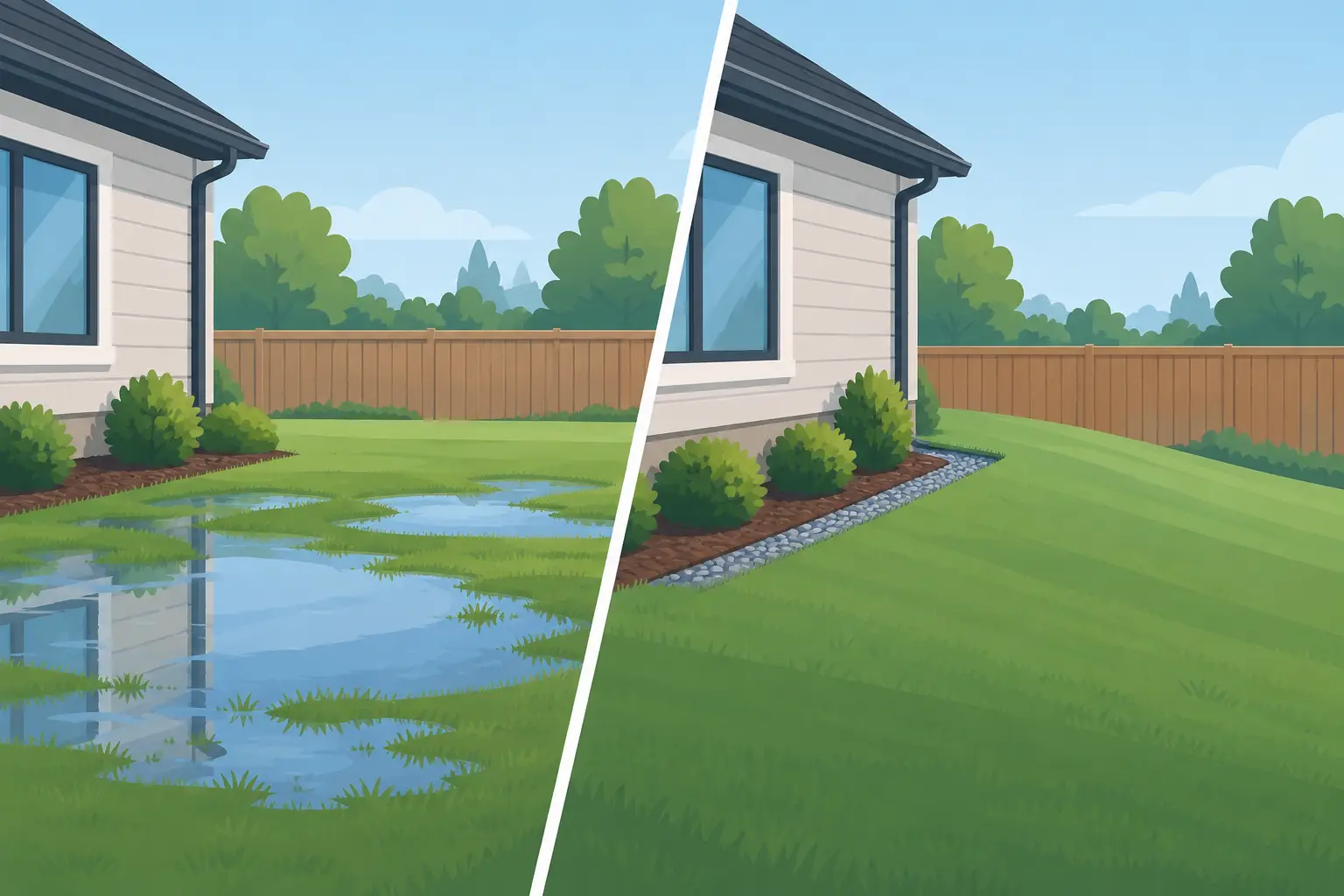
Water is usually the first reason a property needs grading. Rainwater follows the lowest path available. If that path leads toward a house, shop, barn, driveway, or parking area, the result can be standing water, mud, erosion, and damage that gets more expensive with every storm.
Proper grading establishes planned slopes and drainage routes. The goal is not to force every drop of water off a property as fast as possible. It is to move runoff away from structures and travel areas while directing it to suitable swales, ditches, drainage areas, culverts, or ponds. On rural land, the right drainage plan also has to work with existing terrain, fence lines, gates, roads, and neighboring properties.
A shallow low spot may seem harmless during dry weather. After repeated rainfall, it can soften a driveway base, hold water beside a slab, or create a muddy bottleneck at an entrance. Correcting those areas early often takes less work than rebuilding a failed road or repairing water-related foundation problems later.
Drainage Needs More Than a Low Spot
Drainage correction is not simply cutting a ditch wherever water stands. A ditch with the wrong fall can hold water. A culvert set too high can block flow. One set too low can wash out surrounding material or become a maintenance problem. Finished elevations, outlet locations, soil type, and the amount of runoff all matter.
This is where local field experience counts. Texoma properties range from compacted clay and rocky ground to sandy soils and rolling pasture. The same grading approach will not fit every lot. The work needs to account for what the ground is doing now and how the property will be used once the job is complete.
A Stable Pad Starts Below the Concrete
Concrete does not fix poor subgrade. It follows it. If the ground beneath a house pad, shop pad, barn pad, or equipment slab is uneven, wet, or poorly compacted, settlement can create problems long after the concrete truck leaves.
Site grading prepares the building area by removing unsuitable material where needed, bringing the pad to the required elevation, shaping the surrounding ground, and placing select fill or other suitable material in controlled lifts. Compaction is part of the process, especially where the pad must support a structure, vehicle traffic, or heavy equipment.
The benefit is a pad that is built for the job ahead rather than simply made to look flat. Raising a foundation pad can also help keep finished floor elevations above surrounding runoff. That extra planning matters on sites where water naturally crosses the building area or where future landscaping and driveways will change how water flows.
There is a trade-off. Importing fill and building a pad correctly costs more than scraping a level spot with a machine. But a cheaper pad can become the expensive option if it settles, holds water, or requires rework once construction is underway. Builders and property owners should look at grading as part of the structure’s support system, not a separate cleanup item.
Better Roads, Driveways, and Parking Areas
A driveway is only as dependable as its shape and base. Fresh gravel spread over soft or improperly sloped ground may look good for a while, but tires will push it into ruts, potholes will form, and water will keep working through the weak areas.
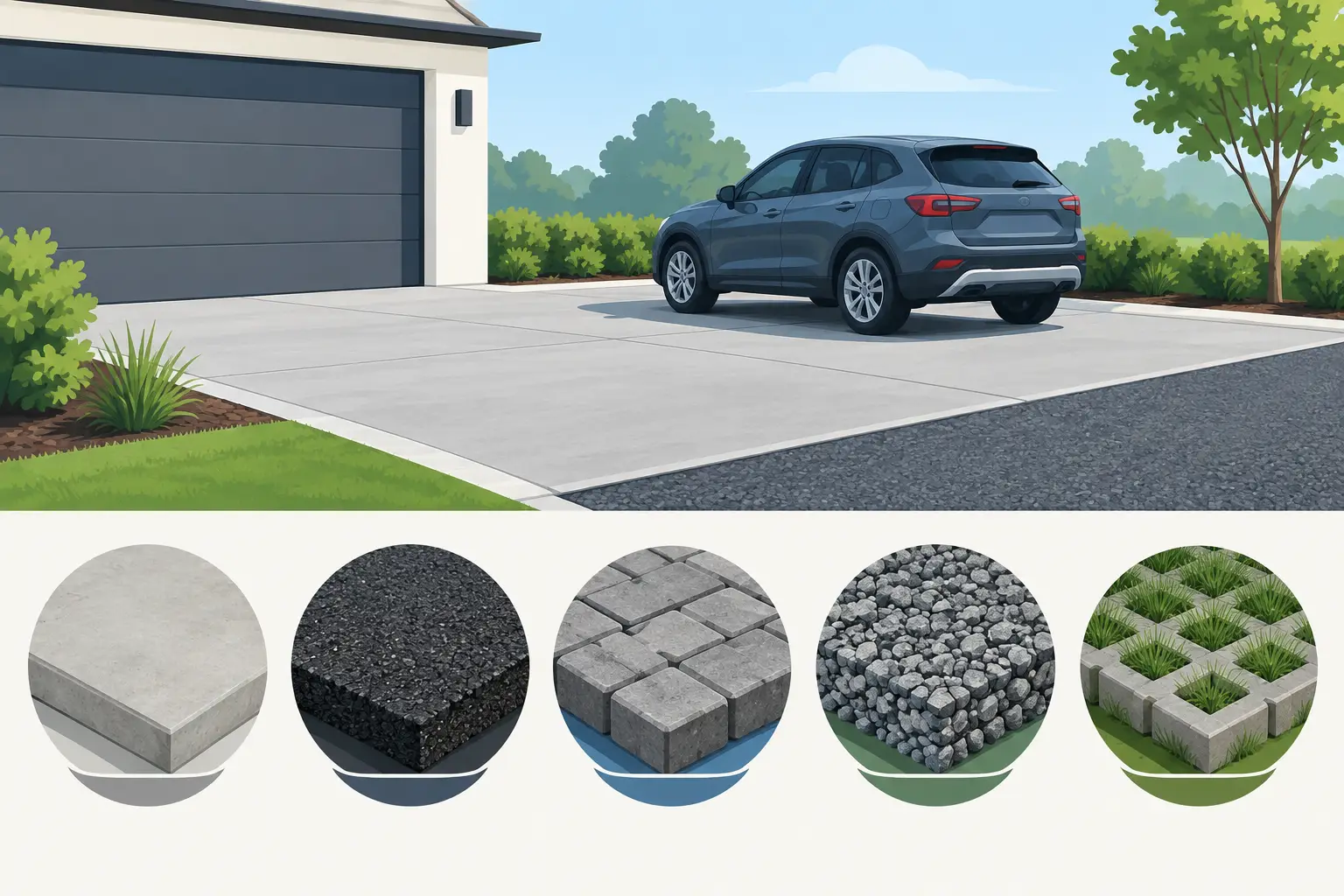
Grading gives a driveway or gravel parking lot the crown, cross slope, and drainage it needs to shed water. It also allows the contractor to prepare the subgrade before placing road base, clean rock, limestone screenings, decomposed granite, or other material suited to the use. A light residential drive and a heavy truck route do not need the same build-up, so material choice and depth should match the traffic.
On acreage and ranch properties, access often has to stay open during wet weather. The route may cross a drainage path, pass through a gate, or serve trailers, feed trucks, and equipment. That may call for a culvert, reinforced entrance, cattle guard installation, or added road base in soft sections. Grading ties those pieces together so the road does not become the low point that collects every storm’s runoff.
Grading Helps Protect the Ground You Already Have
Erosion can quietly take away usable ground. Water running too fast across a bare slope can cut channels, carry fine soil into ditches or ponds, and leave rock or hardpan behind. Near a driveway, it can wash material into the yard or create drop-offs along the edges.
Proper grades slow and direct runoff. On some sites, that means broad, gentle slopes. On others, it means shaping drainage swales, building up a low crossing, or creating a controlled route to a pond or ditch. The right solution depends on the size of the drainage area and the property’s natural fall.
Grading can also improve how land works day to day. A leveled area may create a usable shop site, livestock arena, round pen, equipment yard, or gravel parking area. Fence-row cleanup and selective earthwork can reclaim ground that has become difficult to access or maintain. The goal is not always to make a property perfectly flat. On many rural sites, preserving practical drainage while creating level work areas is the better result.
The Right Materials Make the Grade Hold Up
Dirt work and material supply should work together. A pad may need select fill. A driveway may need road base beneath a finish layer of clean rock. A yard or final landscape area may need sandy-loam topsoil after rough grading is complete. Using the wrong material, or placing the right material over an unprepared surface, can shorten the life of the project.
For example, limestone screenings can compact tightly for certain applications, while clean rock provides drainage and a different finished appearance. Decomposed granite may fit a walkable or decorative surface, but it is not a replacement for adequate base where regular vehicle traffic is expected. Material selection depends on soil conditions, drainage, traffic, budget, and the finish the owner wants.
Triple R Dirt Works can handle the grading work and deliver the material needed to finish the job, which keeps pad elevations, drainage details, and aggregate placement coordinated instead of split between multiple crews.
When Should You Grade a Property?
The best time to grade is before the next phase makes changes harder. That can be before pouring a slab, installing a driveway, setting a manufactured home, building a shop, placing a culvert, or spreading gravel. It is also the right time when a property already shows warning signs: water standing near buildings, tire ruts that return after every rain, washouts, soft parking areas, exposed roots, or erosion around a ditch crossing.
A site visit helps determine whether the answer is full regrading or a more focused correction. Sometimes a small swale, culvert adjustment, and fresh road base solve the problem. Other times, the property needs a new pad elevation, reworked subgrade, or a redesigned access route. The important part is addressing the cause instead of repeatedly covering the symptom with more gravel or fill.
Well-planned grading gives every later improvement a better place to start. Before adding concrete, gravel, a building, or a new gate, make sure the ground has a job to do and is shaped to do it.