

How to Schedule Bulk Material Hauling Right
A truckload of road base or clean rock can move a project forward fast, but only if it arrives when the site is ready for it. When you schedule bulk material hauling, the goal is not simply to get material delivered. The goal is to have the right product, in the right quantity, placed where equipment can spread, grade, and compact it without wasting time or tearing up the property.
For a gravel driveway, foundation pad, parking area, ranch road, or drainage repair, delivery planning affects the finished result. A load dumped too early can sit in the way. A truck sent down a soft access road can get stuck. Material ordered by guesswork can leave a job short or create a pile that has to be moved twice.
Start With the Work the Material Must Do
Material names can sound similar, but they do different jobs. Before setting a delivery date, define what the finished surface or base needs to handle. A driveway that carries daily pickups needs a different build than a construction entrance used by loaded concrete trucks. A building pad needs stable, properly placed fill and base material, not just a pile of dirt spread across the site.
Road base is commonly used for driveways, private roads, parking areas, and construction access because it compacts into a firm surface. Clean rock works well where drainage matters, such as around culverts, low spots, and certain base applications. Limestone screenings can provide a tight, compactable finish in the right application. Sandy-loam topsoil is for growing ground and final grading, not for building a load-bearing base. Select fill is often used to build up and shape pads, subgrade, and low areas before a final base course goes on top.
The best material depends on soil conditions, grade, drainage, traffic, and the equipment available to place it. On many Texoma properties, clay soil, rolling terrain, and heavy rain can turn an ordinary driveway repair into a drainage and subgrade job. If the base beneath the new rock is soft, waterlogged, or badly rutted, adding another load on top may only hide the problem for a while.
Know Whether You Need Delivery Only or Site Work Too
A delivered load is often one part of the job. The site may need stripping, excavation, grading, compaction, ditch work, or culvert installation before material arrives. This is especially true for new driveways, foundation pads, road extensions, and parking areas.
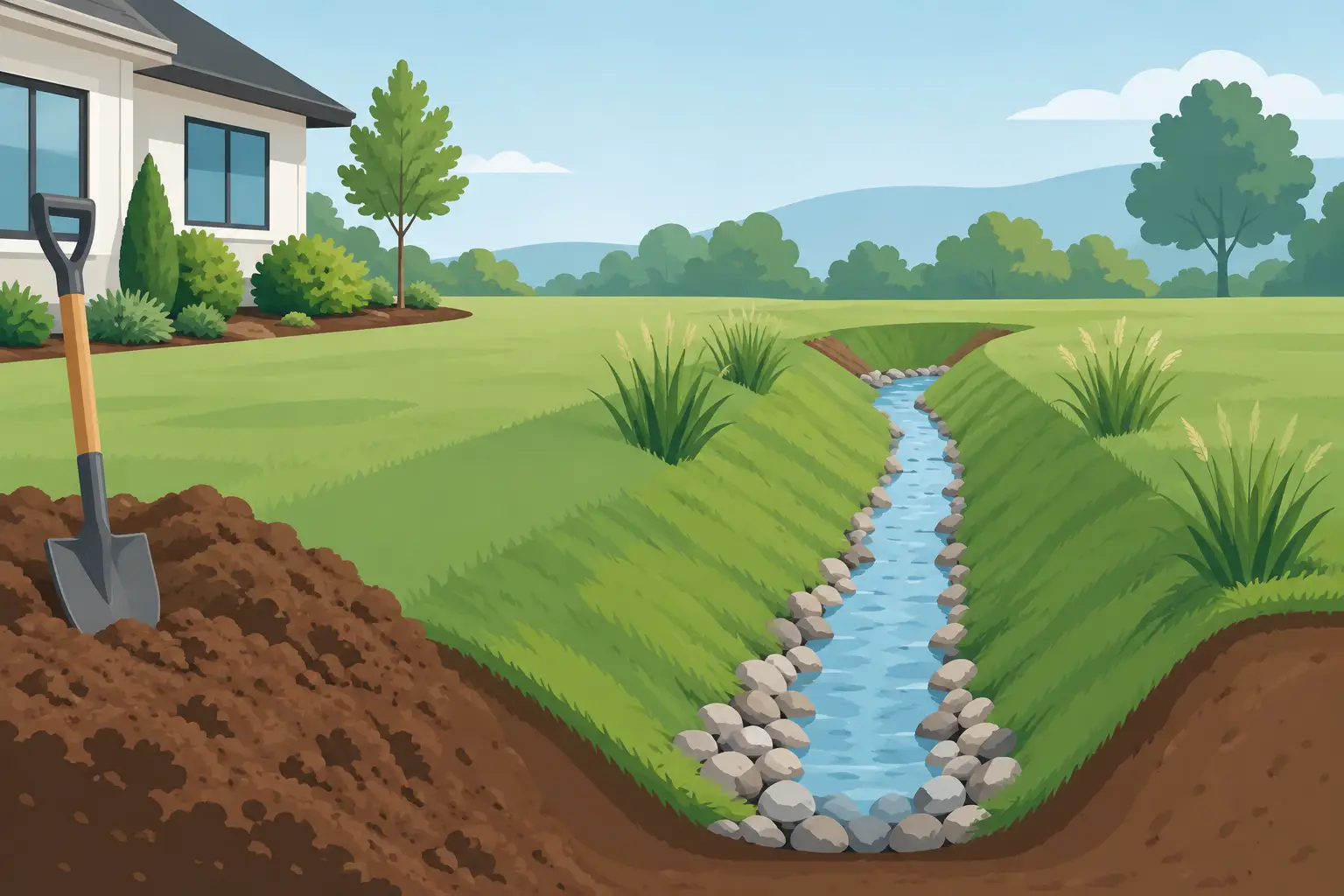
For example, a washed-out ranch road may need the soft material removed, the subgrade reshaped, drainage directed to a ditch or culvert, and road base placed in lifts. Delivering aggregate before that work is complete can create extra handling and added cost. It is usually more efficient to coordinate the hauling around the dozer, skid steer, excavator, or other equipment doing the site preparation.
Calculate Quantity Before You Schedule Bulk Material Hauling
A load count should be based on dimensions, not a visual estimate. Start with the length and width of the area, then determine the planned depth. A typical driveway repair may only need material in worn areas, while a new road may need a full-width base built in compacted lifts.
Depth matters. Four inches of road base across a 12-foot-wide driveway is a very different quantity than four inches across a 20-foot-wide parking area. If material will be compacted, allow for the fact that the loose load will settle as it is worked in. If the site has potholes, ruts, low spots, or a crown that must be built back up, those areas also require additional material.
There is a practical balance to strike. Ordering too little can leave equipment and labor waiting on another truck. Ordering too much may create a stockpile that has to be relocated or may exceed the available budget. Measurements, desired finished grade, and a clear plan for placement give the hauling schedule a solid starting point.
For larger projects, deliveries are often best scheduled in sequence instead of trying to place all material in one day. This keeps the work area manageable and lets the crew verify grade, compaction, and drainage as the job progresses. It also helps when a property has limited room for trucks to turn around or stage loads.
Get the Delivery Site Ready for Trucks
Bulk material hauling requires more than a gate wide enough for a pickup. Loaded dump trucks need firm access, adequate clearance, a safe turning area, and a stable place to raise the bed and unload. Soft ground, steep side slopes, low-hanging limbs, overhead lines, narrow gates, and sharp turns can all change what is possible on delivery day.
Walk the route from the public road to the dump location before scheduling. Check for wet spots, creek crossings, cattle guards, culverts, bridges, gates, and existing driveways that may not support heavy truck traffic. Tell the hauling provider about any restricted access or tricky conditions up front. A clear description prevents a truck from arriving at a site where it cannot safely dump.
The dump area needs room for the truck to pull forward as material comes out. Dumping on a side slope or under overhead obstructions is not a good plan. If the material needs to be placed in a long run, such as a driveway or road, identify whether trucks can tailgate spread while moving or whether loads should be dumped in controlled piles for equipment to spread.
Protect Finished Areas and Soft Ground
A load of aggregate can damage a finished lawn, septic area, irrigation line, or recently installed drainage feature if the route is not planned. Mark what needs to be avoided. If the property is wet, it may be better to delay delivery, improve access first, or establish a firm construction entrance.
Weather should be part of the schedule, not an afterthought. A hard rain can soften native soil, fill ditches, and make a low-water crossing unsafe for heavy trucks. On the other hand, dry, dusty conditions can make grading and compaction harder if moisture conditioning is needed. The right delivery window depends on site conditions, not just the calendar.
Schedule Material Around the Crew and Equipment
Material should arrive when there is a plan to place it. If a skid steer, dozer, motor grader, or compacting equipment is scheduled for the job, coordinate delivery so the crew can work the material shortly after it is dumped. That keeps stockpiles from blocking access and reduces the need to handle the same material more than once.
For a foundation pad, select fill may arrive first for rough shaping and elevation. Base material may follow once the pad is brought close to grade. For a gravel driveway, drainage correction and culvert work may come before the road base. For a pond or excavation project, excess on-site material may sometimes be usable elsewhere on the property, reducing how much imported fill is needed.
This is where working with one local contractor can make the job simpler. Triple R Dirt Works can coordinate earthwork, grading, and delivered aggregate materials as part of the same project plan, rather than leaving the owner to line up separate crews and deliveries. That matters when timing, access, and finished grade all affect each other.
Give Clear Instructions for Placement
Before the first truck arrives, decide exactly where each load goes. A simple site map, marked stakes, flags, or an on-site contact can prevent material from being dumped in the wrong location. This is particularly helpful on acreage, active construction sites, and properties with multiple entrances or several work areas.
Be specific about whether material is for a driveway, building pad, parking area, drainage zone, arena, or stockpile. If loads need to be split between locations, make sure the route and placement plan allow for it. A truck driver can follow clear, safe instructions, but cannot make engineering or grading decisions from the cab.
Keep in mind that dump placement is not final grading. A pile of road base still needs to be spread to the correct thickness, shaped for drainage, and compacted. For roads and driveways, a proper crown or cross-slope helps move water off the travel surface. Without it, even good aggregate can hold water, rut, and break down early.
Watch for Changes Once the Job Starts
Field conditions can reveal issues that were not visible during planning. A soft subgrade may show up after the first pass of equipment. A low area may need more fill than expected. Existing drainage may direct water across the planned driveway location. These are normal jobsite realities, especially on rural land and older properties.
The right response is to adjust the plan before continuing to cover up a problem. It may mean adding base thickness, repairing drainage, changing the dump location, or scheduling another load after the subgrade is corrected. Spending time on the foundation of the work is usually cheaper than rebuilding a failed driveway or reworking a settling pad later.
A well-planned material delivery keeps a project moving and gives the finished work a better chance of holding up through traffic, weather, and time. Measure the area, choose material for the job, prepare truck access, and schedule hauling around the equipment that will place it. That is how a load of rock, fill, or topsoil becomes useful ground instead of just a pile on the property.