

Choosing a Foundation Pad Construction Contractor
A building pad can look flat and still be wrong. Soft spots, poor drainage, unstripped topsoil, or loose fill can create problems long after the concrete crew leaves. A foundation pad construction contractor should do more than move dirt into a level area. The job is to prepare stable, properly graded ground that gives a home, shop, barn, barndominium, or commercial building a dependable place to start.
In Texoma, site conditions can change fast from one property to the next. One lot may have firm native material close to the surface, while another has sandy soil, expansive clay, old pond fill, or low ground that holds water. The right approach depends on what is under the vegetation, where water travels, and what will be built on the site.
What a Foundation Pad Construction Contractor Should Handle
Foundation pad work starts before the pad itself is visible. The contractor needs to assess access for equipment and material trucks, existing slopes, drainage paths, vegetation, and the quality of the native soil. A pad that is built without considering those conditions may need costly correction later.
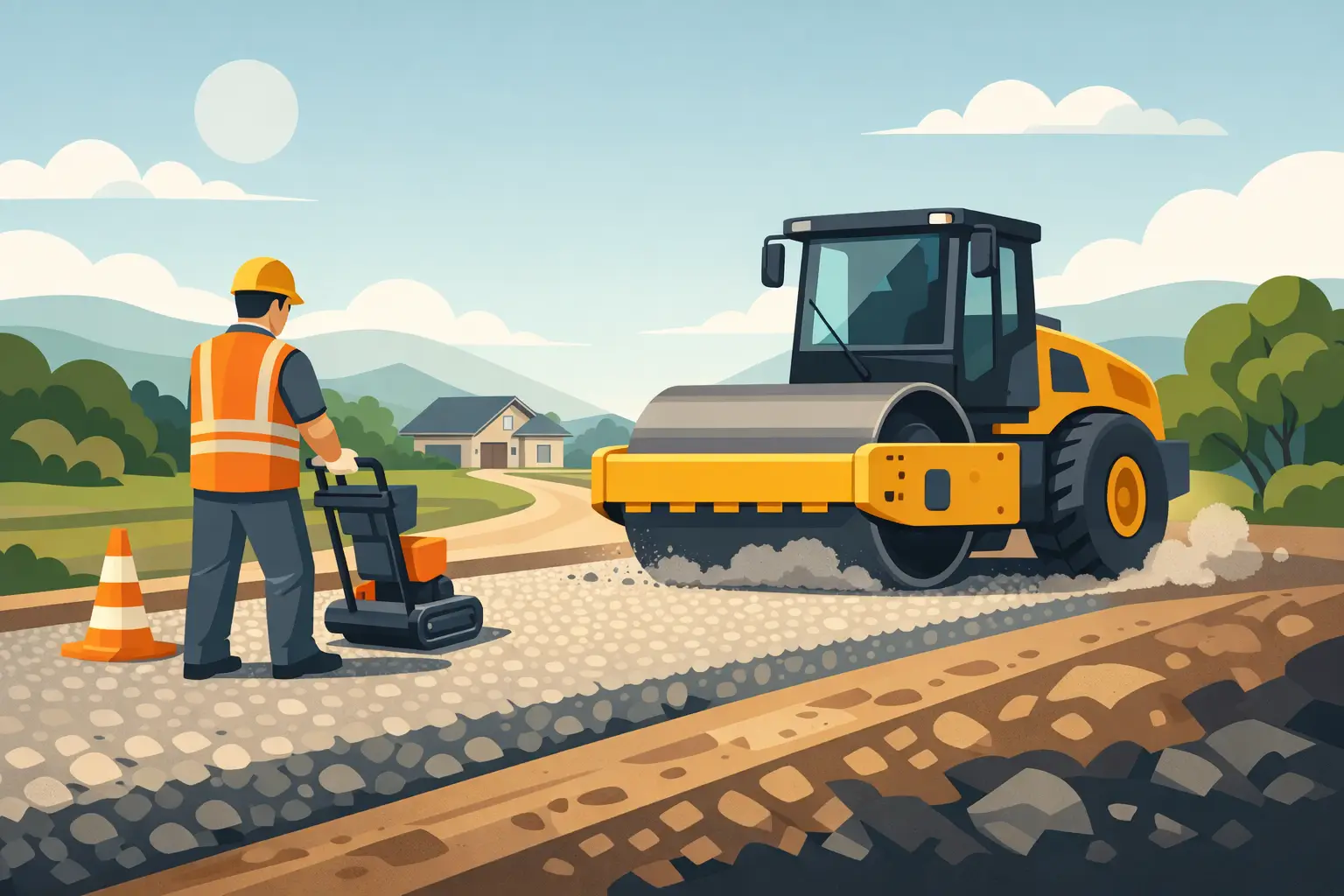
On a typical project, the work may include clearing brush or small trees, stripping topsoil and organic material, cutting high areas, placing select fill where needed, and grading the site to the planned elevation. The fill must be placed in manageable lifts and compacted as the work progresses. Simply dumping a large amount of dirt and spreading it flat is not the same as building a stable pad.
The finished pad also needs room around the structure. Builders need working space for forms, concrete trucks, plumbing rough-in, and other trades. A pad that ends exactly at the building footprint can make the next phase harder than it needs to be. The proper amount of overbuild depends on the project plan, slope, and site access.
Start With the Ground, Not the Building Plan
A house plan tells the contractor the building footprint, but it does not tell the full story of the property. Before work begins, walk the site and identify where water enters and exits, whether the building area sits above surrounding ground, and how construction traffic will reach the pad without tearing up the property.
Topsoil is valuable for final grading and landscaping, but it is generally not suitable as structural pad material. It contains organic matter and roots that break down over time. A competent contractor strips and stockpiles usable topsoil separately when possible, then builds from suitable native soil or imported select fill.
Cut-and-fill balance matters as well. If a high portion of the property can provide acceptable material for a lower building area, the project may require less imported fill. If native soil is too wet, unstable, or unsuitable, bringing in the right material is the better call. There is no one-size-fits-all answer, and the cheapest option at the start is not always the least expensive after settlement or drainage repairs.
Compaction Is What Makes Fill Work
Pad construction often involves placing fill to raise a building site above low ground or create a level building area on a slope. The critical question is not just how many loads of dirt are brought in. It is whether the fill is placed and compacted correctly.
Good pad construction uses controlled lifts instead of one deep layer of loose material. Equipment spreads each lift, moisture conditions are considered, and compaction is built into the process. Material that is too dry may not bind well. Material that is overly wet can pump, rut, and lose strength under equipment.
For projects requiring engineered specifications, a geotechnical engineer or project inspector may call for density testing and documented compaction results. A dirt contractor should be ready to work to those requirements, but should not replace the role of the engineer or foundation designer. The contractor prepares the pad to the specified elevation, material, slope, and compaction standard. The engineer determines what the building and soil conditions require.
This is especially relevant for large homes, commercial buildings, metal buildings, and sites with significant imported fill. For a smaller barn or equipment shed, the required level of engineering may be different. The structure, soil, local requirements, and owner’s plans should drive the scope.
Drainage Has to Be Built Into the Pad
A pad should not become an island that sends water toward the building or traps runoff against its edges. Finished grades need to direct water away from the foundation area while fitting into the natural drainage pattern of the property.
That may mean shaping broad swales, installing culverts beneath a driveway or access road, building up the pad elevation, or cutting a drainage route around the building area. The best option depends on the site. A low acreage tract may need more elevation and drainage work than a naturally high homesite. On a sloped ranch property, the focus may be controlling runoff before it cuts across the pad.
Drainage work should also account for what happens after construction. Roof runoff, driveway runoff, and future landscaping can change how water moves. Leaving enough room around the pad for final grading helps prevent the common mistake of forcing water to stop at the slab edge.
Materials Matter Below the Foundation
Different materials serve different purposes, and a contractor who can supply and haul material can keep the job moving. Select fill is often used to build elevation and create a more uniform subgrade. Road base and clean rock may be needed for construction entrances, temporary access, or parking areas where trucks need a firm surface.
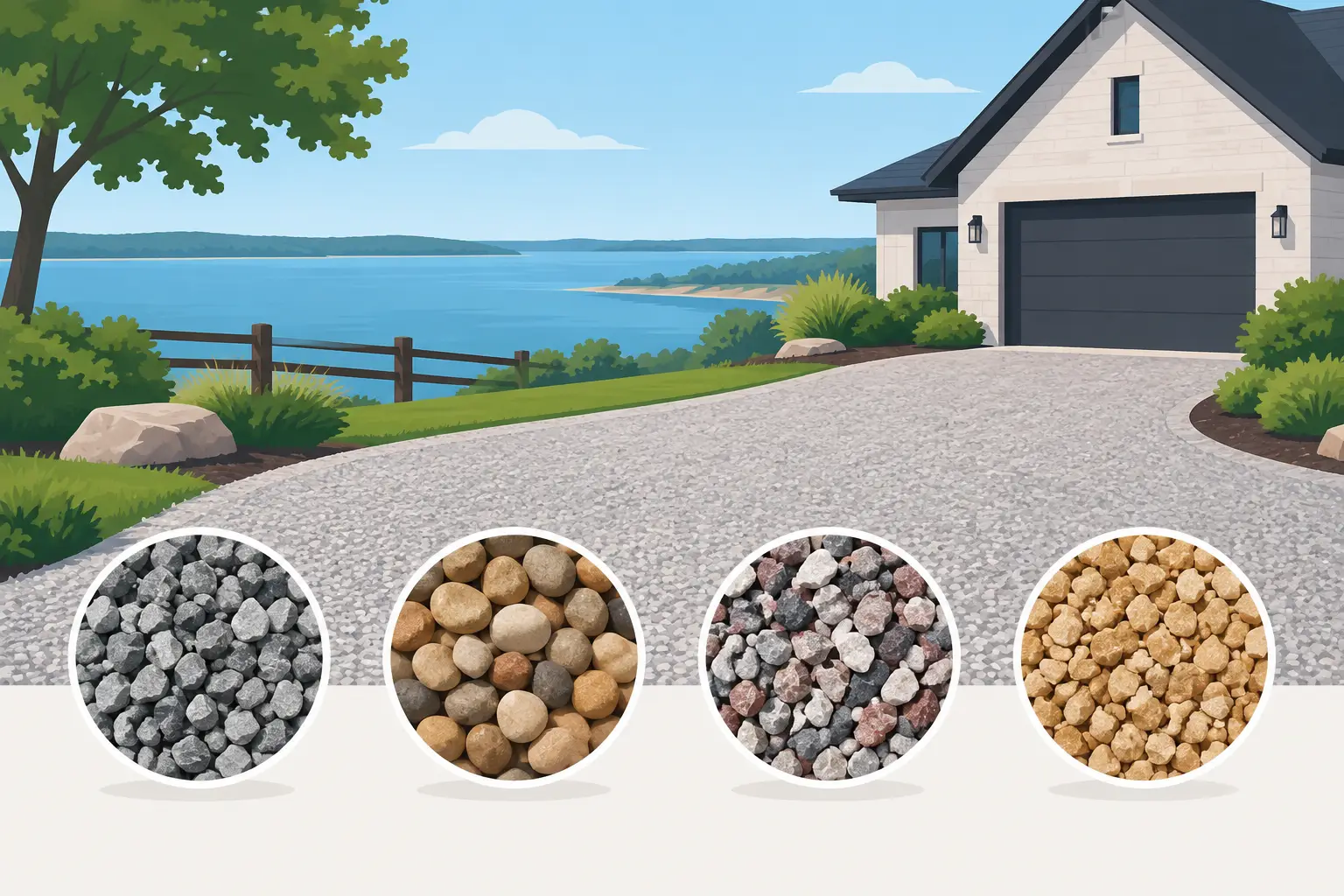
Limestone screenings can work well in certain applications where a fine, compactable base is needed. Decomposed granite may be a good fit for finished driveways, walkways, or non-structural surfaces. Sandy-loam topsoil belongs in the final phase, after heavy equipment work and pad construction are complete.
Material selection should match the use. Using decorative or landscaping material where structural fill is needed wastes money. Using poor fill under a pad creates risk. Triple R Dirt Works combines site preparation, equipment work, and bulk material delivery so customers can coordinate the pad, access road, drainage work, and needed aggregate with one local crew.
Questions to Ask Before Hiring a Pad Contractor
The right contractor should be able to talk clearly about the work instead of giving a vague promise to level the site. Ask how the topsoil will be handled, whether imported fill may be needed, how fill will be compacted, and where water will drain after the pad is built.
It also helps to confirm what is included in the quoted scope. Pad projects can involve clearing, excavation, haul-off, imported material, spreading, compaction, driveway access, culverts, and final grading. A clear scope prevents confusion when the site reveals unexpected soft ground or when the owner decides to raise the pad elevation.
Before equipment arrives, provide the contractor with the building location, pad dimensions, desired finished elevation if known, access information, and any survey, engineered plan, or foundation requirements. Mark utilities and discuss gates, fences, septic locations, existing driveways, and areas that must remain undisturbed. These details allow the crew to plan equipment movement and material deliveries without wasting time on site.
Price matters, but it should be compared against the actual work included. A low number may leave out stripping topsoil, hauling in suitable fill, building access, or correcting drainage. A useful quote explains the practical path from existing ground to a buildable pad.
Make the Pad Serve the Whole Property
A building pad is often the first major improvement on a property, and it affects the jobs that come next. The same planning that supports the foundation can help establish an all-weather gravel driveway, a culvert crossing, a parking area, or drainage improvements around the new structure.
Give the project enough thought before the dirt starts moving. A properly built pad does not just create a level place to pour concrete. It gives the building, the driveway, and the property around them a better chance to perform the way they should when Texoma weather turns wet.