

Ranch Access Solutions That Hold Up in Texoma
A ranch road is not just a way to get from the gate to the house. It carries feed trucks, trailers, tractors, work crews, livestock traffic, and emergency vehicles. When the road turns soft after rain, washes at a crossing, or develops deep ruts, the entire property gets harder to use. Practical ranch access solutions start below the gravel, with grading, drainage, stable base material, and the right crossings in the right places.
Texoma ground can change quickly from dry and hard to saturated and rutted. A road that looks acceptable during a dry spell may show its real problems after a heavy rain. Building access that holds up means addressing the site conditions instead of simply adding another thin layer of rock over failed ground.
What Makes Ranch Access Fail
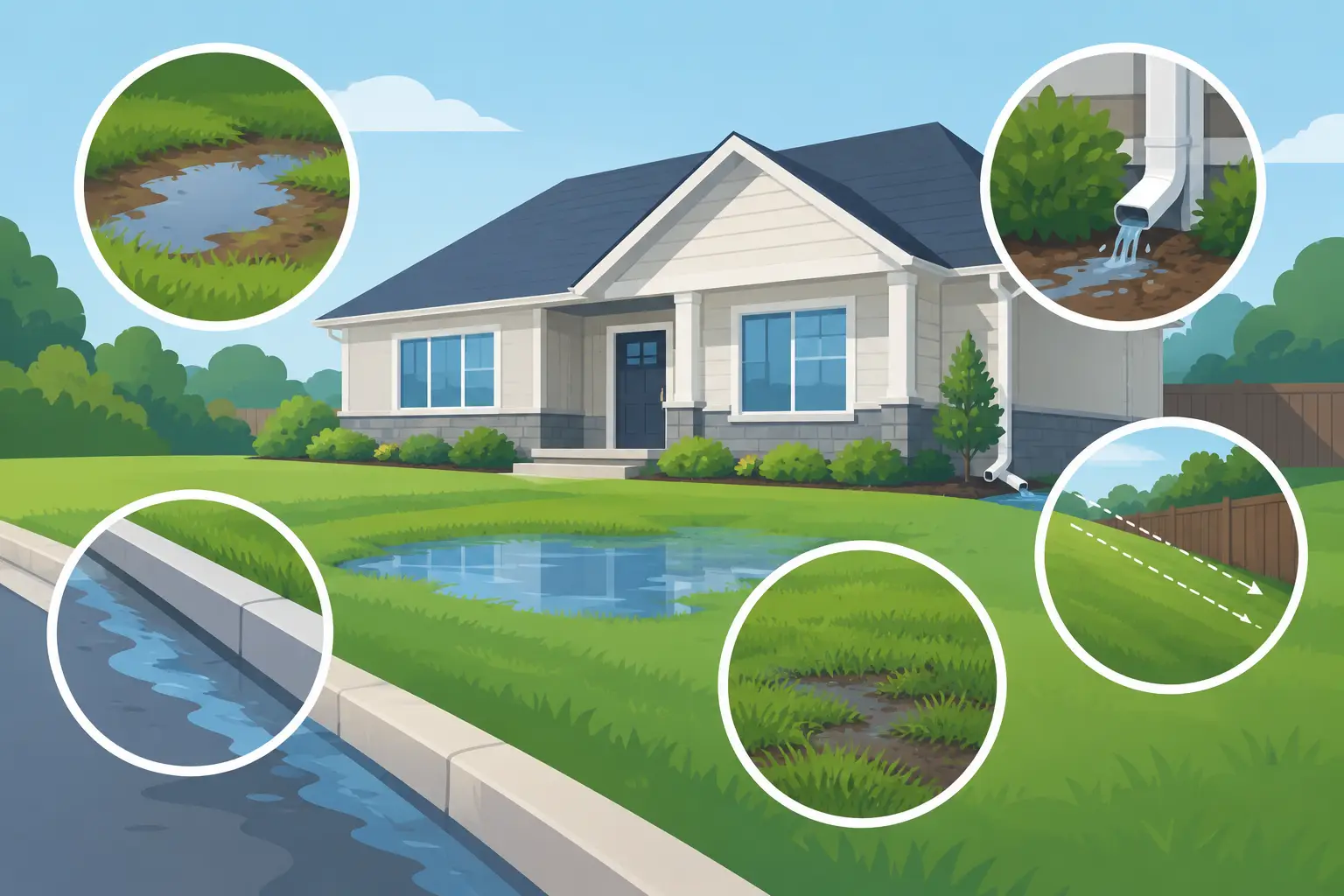
Most access failures come back to water, weak subgrade, or traffic that the original road was never built to carry. Sometimes it is all three. Water follows the lowest path available. If the road surface is low, flat, or blocked by built-up gravel at the edges, water stays on the driving surface and works its way into the base.
Once the subgrade is wet and soft, gravel alone cannot carry the load it was meant to support. Tires push material aside, ruts form, and potholes collect more water. The problem gets worse each time a loaded truck, trailer, or piece of equipment travels through it.
A good access plan also accounts for how the property actually operates. A light-use lane to a back pasture does not need the same build as the main entrance road serving deliveries, stock trailers, and heavy equipment. The answer depends on soil, slope, drainage paths, expected traffic, and whether the route must stay open in wet weather.
Ranch Access Solutions Built From the Ground Up
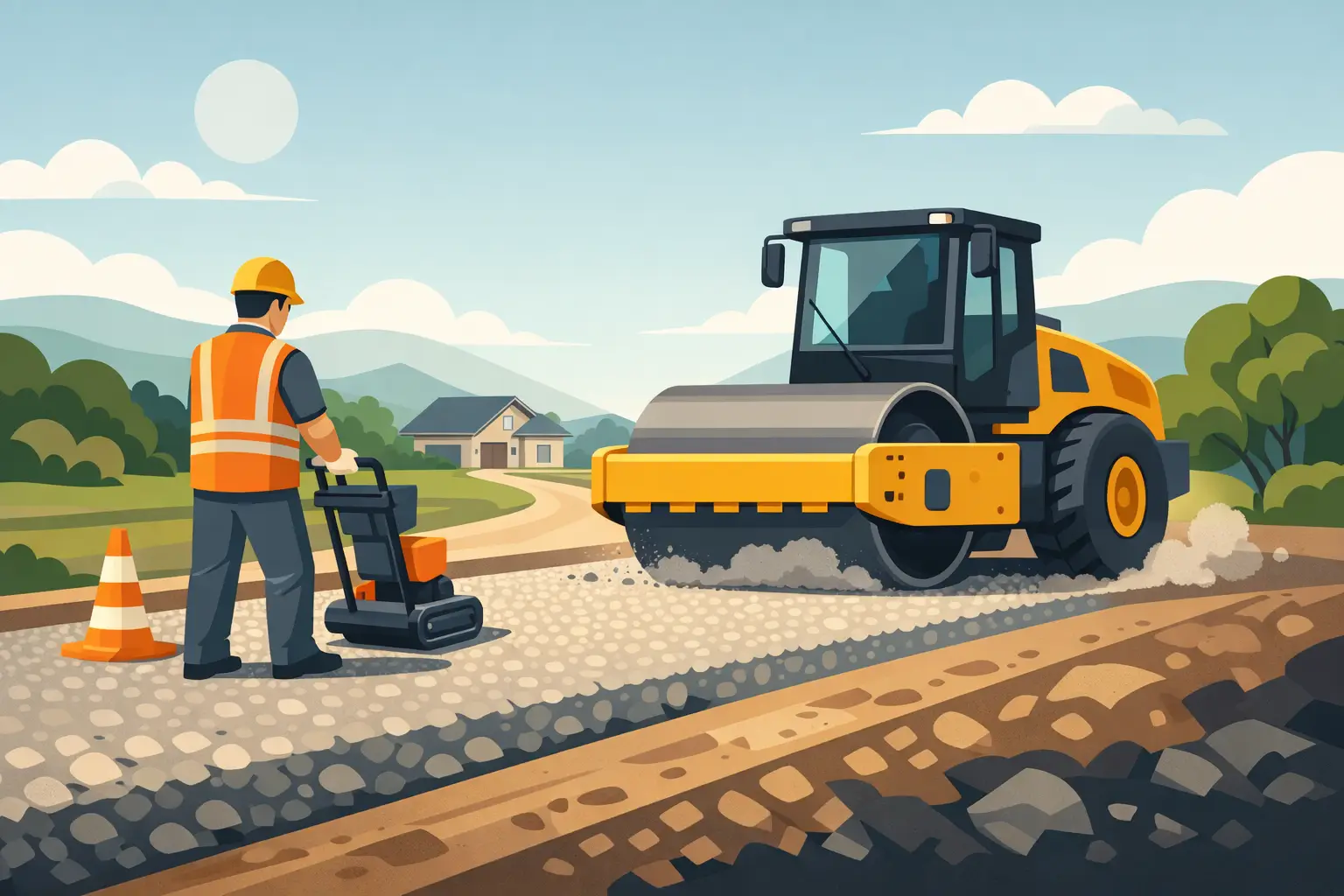
The strongest ranch roads are built in layers, starting with a shaped and compacted subgrade. Clearing loose organic material and correcting soft spots gives the road a firm foundation. From there, the road needs enough crown or cross slope to shed water off both sides instead of trapping it in the wheel tracks.
Road base is then selected and placed to match the use of the road. A properly graded base material compacts into a tight driving surface and provides better support than loose decorative rock. On some projects, clean rock works well for stabilizing a wet area or building up a crossing before a compacted base course is installed. Limestone products, road base, decomposed granite, and screenings each have a place, but they are not interchangeable.
For example, decomposed granite can make a clean-looking finish for certain low-traffic areas, while a main ranch entrance may need a thicker, well-compacted road-base section built for repeated heavy loads. Sandy-loam topsoil belongs in finish grading and landscaping work, not under a road where it can hold moisture and lose strength.
Road Shape Matters as Much as Material
A road can have quality material and still fail if it is shaped wrong. The finished surface needs a crown that moves runoff toward the shoulders. Ditches, swales, and outlet areas need to remain open so runoff has somewhere to go after it leaves the road.
Too much crown can make driving uncomfortable and pull vehicles toward the edge. Too little crown leaves standing water. The right shape is gradual, consistent, and tied into the surrounding terrain. On sloped ground, grading may need to direct water to controlled drainage points rather than allowing it to cut across the road wherever it wants.
Culverts Keep Crossings From Becoming Washouts
A low spot in the road is often where water wants to cross. Without a properly sized culvert, runoff can overtop the road, cut channels through the base, and wash material into a pasture or drainageway. A culvert carries water under the road while allowing the road surface to stay at a usable elevation.
Sizing and placement matter. A small pipe may handle ordinary runoff but plug with debris or become overwhelmed during a hard storm. A pipe set too high can trap water on the uphill side. A pipe set too low may not drain correctly. The approach and outlet need grading as well, so water enters and exits without scouring around the installation.
Culvert installation is more than dropping pipe into a trench and covering it with gravel. The pipe needs proper bedding, cover, compaction, and protection at the ends where flow can erode the soil. In drainage-prone areas, this work is often the difference between an access road that needs constant repair and one that stays serviceable through seasonal rain.
Cattle Guards Improve Access at Working Entrances
Gates slow down a working ranch, especially where trucks, trailers, and equipment pass through several times a day. A properly installed cattle guard can keep livestock contained while allowing traffic to move without stopping at every entry point.
The key word is properly. Cattle guards need a stable, level approach and enough structural support for the heaviest expected vehicle. A unit that is not set correctly can shift, collect debris, create a hard bump, or become a maintenance problem. Drainage around the crossing matters here too. Water that pools at the entrance can undermine the approach and leave mud where vehicles need traction.
For some properties, a cattle guard makes sense at the main drive while gates remain the better choice for less-used pasture routes. Traffic volume, livestock management, and the type of vehicles using the entrance should guide that decision.
Plan for the Traffic You Actually Have
A ranch driveway that only carries pickups needs a different section than a route used by concrete trucks, dump trucks, hay trailers, and loaded livestock trailers. Underbuilding a high-traffic route usually costs more over time because the road gets repaired repeatedly instead of built to handle the load from the start.
It also helps to think beyond the front gate. Service roads to barns, shops, arenas, ponds, and back pastures may need improvements at different levels. The route to a new home pad may be temporary during construction, but it still has to carry heavy deliveries without becoming impassable. A well-built construction entrance can often become part of the finished ranch road system with the right layout and material plan.
When access crosses soft soil, low ground, or a drainage route, targeted excavation and stabilization may be more cost-effective than spreading gravel across a problem that has not been corrected. The goal is not to overbuild every foot of road. It is to put the right work where the property needs it most.
Keep Finished Roads Working
Even a well-built road needs occasional attention. After major rain, check for standing water, plugged culverts, new erosion, and material pushed toward the shoulders. Light maintenance grading can restore crown and keep small issues from becoming deep ruts or washouts.
Avoid blading a road flat. That is a common short-term fix that removes the crown needed for drainage. If gravel is being added, it should be placed where the road needs support and shaped into the existing road profile, not scattered evenly across every area regardless of condition.
Vegetation around ditches and culvert outlets should also be managed. Grass can help hold soil, but thick brush, limbs, and debris can block flow. Fence-row maintenance and drainage maintenance often work together on rural properties because neglected growth can restrict access and send water where it does not belong.
Start With the Problem Area
The best time to address ranch access is before a wet season, a building project, or a heavy hauling schedule exposes the weak spots. A contractor who can handle excavation, grading, culverts, cattle guards, road construction, and material delivery can look at the full route instead of treating each problem as a separate job.
Triple R Dirt Works helps Texoma property owners build and repair access that fits the ground, the traffic, and the work ahead. Start with the place that slows you down most – the washed-out crossing, soft entrance, rutted driveway, or road that keeps trapping water – and build the fix around what that section truly needs.